
内容简介
Two years have passed, and Kartika lives with Hendro and Linda. However, when Hendro agrees to adopt Kartika, the Social Service prevents it. The inmates in cell no. 7 and Hendro decide to fight for justice in their own way.
相关推荐
 ◎4.8▶
◎4.8▶儿戏婚姻
相命的老头曾经告诉毕宝亮说,三十岁前千万不能结婚,否则他这一辈子就完蛋了。不幸的是,就在他二十九岁过八个月的某一天里,他碰到了刘香妹,这个女人讲话的速度快得连听也来不及,更别想回嘴了。她说,我们结婚好
 ◎10▶
◎10▶打倒他们
影片以爱尔兰西部的荒野为背景,讲述一个爱尔兰牧羊人在 他的羊群被不明身份的人屠杀后,他与邻近的农场发生了暴力冲突。
 ◎7.6▶
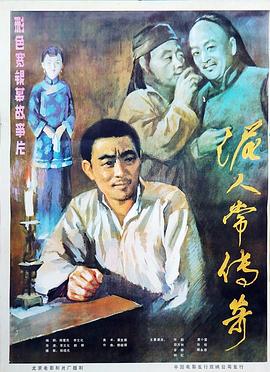
◎7.6▶泥人常传奇
常家壁是个泥塑民间的艺人,他的先祖常青山,曾在乾隆盛世时受到乾隆皇帝的赏识,被御封泥人常,并被宣进宫里专门为皇上、娘娘捏泥人,供他们玩赏享乐。但常青山不甘为笼中之鸟,一心想回到民间去。终于,他从皇宫里逃了出来。从此,常家世代流落异乡,受尽了煎熬。到了常家壁这一代,已是民国二年,常家壁从外地回到北京,和妹妹常家玉一起摆了个泥人摊,一方面捏自己的泥人,也给人家看人捏象,以此糊口为生。地痞流氓三横王让常家壁为他捏象,捏好以后,他又嫌自己的形象太丑,硬说不象,大打出手,砸了泥人摊,还把常家壁抓进了监狱。赵沧海是本街的大财主,继承了先祖赵二的祖业,开了一家经营收藏古玩字画的藏珍斋。他的伙计杨进宝,有一身好武艺,好打抱不平,他求掌柜的出面救人。赵沧海为包销家壁的泥人,请警长出面,贿赂以银钱,救出常家壁,把三横王投入狱中。家壁出狱后,对救命恩人感激涕零,赵沧海让他住进自己的闲房,为赵捏泥人藏珍斋生意兴隆,赵沧海发了大财。常家玉与杨进宝建立了感情,默默地相爱着。与常家世交的柳真人后代柳先生,以相面算卦为生。一天他告诉家壁,美洲华侨治公堂要请家壁参加巴拿马赛会。但赵沧海不允,他还常把家壁捏的泥人,盖上伪造的常青山的印,造假古董,以获取暴利。家壁看清了赵沧海的真面目后,决心摆脱他,准备自己开业,自捏自卖。赵沧海为控制常家壁,派人与早已沦为土匪的三横王联系,将常妻翠花绑票。常家壁凑齐一千元,请柳先生去赎人,却只能赎回翠花在山上生下的男孩,翠花跳崖殉节。常家兄妹悲痛万分,为免遭赵沧海的迫害,常家一家人只得背井离乡远走他方。杨进宝杀死了前来追杀常家人的赵沧海,也远离家乡,追寻常家兄妹而去。五年以后,他终于与常家兄妹相逢。此时常家壁已年老多病,他鼓励妹妹,继续捏泥人,把常家的泥塑技艺传下去。
 ◎8.5▶
◎8.5▶明姑娘
赵灿(张国民 饰)曾是前途无量的运动健将,却因为一场意外而双目失明,前途化为泡影。无法接受生活巨变的他一个人坐在江边,仿佛失去了灵魂,产生了轻生的念头。此时一个名叫叶明明的女孩路过赵灿身边,苦口婆心的劝说他离开了江边。 之后,赵灿来到一家盲人工厂上班,让他没有想到的是,在这里他竟然和叶明明重逢了,更让赵灿感到震惊的是,叶明明和他一样,也是一名盲人。厂长将护送赵灿上下班的工作交给了叶明明,两人在此过程中渐渐碰撞出了感情的火花。一天,赵灿和叶明明收到了一个天大的好消息,那就是他们的眼睛有了复明的希望。
 ◎9.9▶
◎9.9▶拜托了厨灵
本片讲述了胡家菜的传人胡大美(胡莎莎饰演)意外解救了传家宝中被封印的厨灵(姚伟涛饰演),由此揭开一段十年前家庭变故的案情。为重启胡家菜并惩真凶,胡大美在帅萌厨灵的帮助下参加厨神大赛,一路笑料百出、历经磨难、见证爱情的励志故事。
 ◎6.4▶
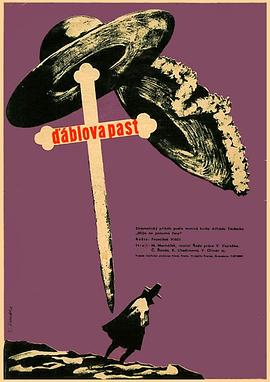
◎6.4▶魔鬼的陷阱
In the time of Counter-Reformation, a miller and his son come under investigation by a priest of the Inquisition, when rumors spread that their prosperity comes from working with the Devil. The Devil's Trap is a film directed by František Vláil, based on a novel by Alfréd Technik, adapted by František A. Dvorák and Miloš Kratochvíl. It was the first of three historical dramas that Vláil made during the Czech New Wave (technically he isn't really a part of the New Wave, however these films were made during the same era of artistic freedom), preceding his more well known Marketa Lazarová (1967) and Valley of the Bees (1968). Set in the late 16th Century during the Catholic Reformation, in the Moravian Karst, situated in what is now the Eastern Czech Republic, it tells the tale of a miller (Vítezslav Vejrazka), and his son Jan (Vít Olmer), who come under suspicion and are investigated by a Jesuit priest of the Inquisition (Miroslav Macháchek), when rumors of witchcraft are spread by the local regent (Cestmír Randa), who is jealous of the miller's prosperity and degree of respect among the local populace. As expected from Vláil, this film is a stunning experience all the way through. From the opening shot, an ominous manipulation of perspective with a close up of a mangled figure of Christ dominating the foreground against a tiny figure in black walking along the horizon, to the breathtaking confrontational finale inside the vast stalactite filled Karst caverns, it is a wonderful display of visual mastery. Maybe not quite as impressive as Marketa Lazarová, but still full of astonishing imagery. As seen from unique angles and distinct points of view which highlight the director's remarkable sense of awareness of framing, motion, and positioning on the emotional and dramatic tone of the scene. The most memorable being a repeated shot where the camera is suspended and launched with speed through the air towards the miller's door. The story here is a simple one and I would say more accessible than his later works. With a conventional structure emphasized as much by its plot and characters, than by its expressionistic cinematography or authentic historical detail. The events play out without much surprise, and there is a strong underlying, almost supernatural, mysterious aspect that is left unresolved, in fact barely explored, which is slightly disappointing, but only because it's so fascinating that I wish there was more. Acting is great all around. Particularly the villains Miroslav Macháchek as the priest, casting a sinister and imposing shadow wherever he goes, and Cestmír Randa as the weasel like regent behind all the persecution. While Vít Olmer brings a charismatic leading man presence in his role as the miller's son Jan, in love with the lovely orphan girl Martina (Karla Chadimová), who becomes a dangerous object of rivalry between Jan and other young men of the village. The film also features the evocative music of Zdenk Liška (perhaps the most prolific composer of the Czech New Wave). In this his second of eleven collaborations with Vláil, his compositions are used sparingly, but to great effect, complimenting but never overpowering a scene. The best example of which can be heard in an amazingly shot celebration and dance sequence at the end of the second act. The Devil's Trap might not be a masterpiece, but it is still a strong effort, with a fascinating straightforward story and a glorious historical setting captured beautifully by Vláil's unmistakable visual prowess. A fine work that would also be the perfect starter plate to prepare yourself for the challenging feast of Marketa Lazarová or The Valley of the Bees. It even has an easy to digest running time. It's therefore puzzling why this gem remains largely overlooked and ignored.
 ◎5.3▶
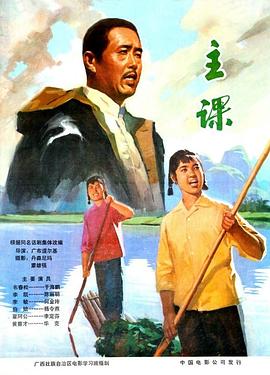
◎5.3▶主课
根据同名话剧改编 导演:广布道尔基 摄影:丹森尼玛 nbsp; 蒙雄强 录音:李祖文 美工:云 nbsp;川 作曲:杨少毅 nbsp; 朱诵邠 演奏:广西歌舞团乐队 nbsp;
 ◎4.9▶
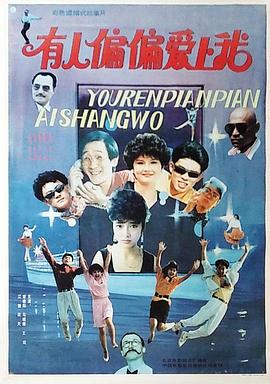
◎4.9▶有人偏偏爱上我
善良活泼的吉它和好友低音,受聘在黑猫卡拉OK歌舞厅当乐手。黑夜降临,正是卡拉OK的黄金时间。这时,澳门一带的走私集团头目瘸子带着八名大汉来到歌厅找黑猫讨债。原来,黑猫将盗古墓得来的文物卖给瘸子,却扣下了最宝贵的金印。瘸子此次不仅要夺回金印,还要“废了”黑猫。狡诈的黑猫指派人将金印放进了吉它和低音的琴套里,而他俩却一无所知,从而遭到瘸子的追捕。对吉它颇有好感的歌手咪咪帮助吉它和低音逃离魔爪,并建议他们男扮女装躲过眼下风波。男扮女装的吉它和低音来到假日饭店豪华旅游轮,参加了女子乐队。游轮启航后,川与舛反吻别的小艾急忙打开男友让她上船才看的信。原来这是‘封绝交信,小艾两眼一黑。落入海中。吉它不颐一切地救起小艾。咪咪上了游轮,从吉它的琴套中将会印偷走,企望男友阿黄带着金印去臼首。阿黄却死心塌地地投靠了瘸子,并硬扣卜咪咪参与止私。咪眯失望地离开他,也未将金印给阿美。小艾自从认识男扮女装的吉它和低音后,重新建立起生活的信心。吉它和低音总想找机会把自己的真实身份和爱慕之情告诉她。游轮停靠‘美丽的岛屿。自以为聪明的吉它扮成的“黄曼曼”陪小艾上岸玩,小艾对一位英俊潇洒的大副一见钟情。吉它一看,那位大副正足低音,他气得瞠目结舌。公安人员小梁在船上发现吉它和低音,便暗中注意蕾他们。阿精带着打手在甲板认出了低占和吉它。危难之时,眯咪拿着金印挺身而出。低音大喊着不让咪咪交出金印。公安人员及时赶到,擒获了船上的走私集团分子。带着胜利的喜悦和恢复男儿身的骄傲,吉它和低音各自带着心爱的人结伴同行。
 ◎6.9▶
◎6.9▶朋友的妻子
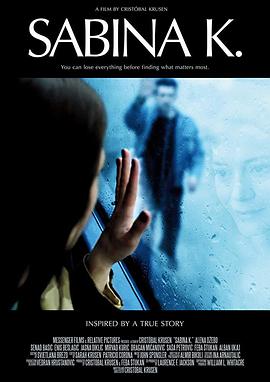
Sabina, a divorced mother of two small children, falls in love with an old friend from the Bosnian war. The two plan to marry, but things go terribly wrong. Sabina K. is inspired by a true story set in Bosnia and Herzegovina. The Sabina of the title plans to marry Sasa (with whom she served during the Bosnian War), but there is a problem. Sabina is Muslim and Sasa a Catholic, and their respective families disapprove of the marriage. Their only ally is an older woman, Ankica, whose son - killed in the war - had been their close friend. Aunt Ankica thinks of Sabina and Sasa as her own children and invites them to her home on the island of Korcula to get married. Springtime comes and Sabina travels to Korcula where she is reunited with Ankica and where the two women wait for Sasa to join them from Zagreb. The days pass... Sasa never arrives... and with a heavy and troubled heart, Sabina returns to Sarajevo. She discovers that Sasa has taken all his things from her apartment and moved out. There is no note; no explanation. Sabina goes to Sasa's mother for answers, but the deeply embittered woman treats her harshly and calls the police.
 ◎6.1▶
◎6.1▶边境毒战
缉毒警察王震在一次行动中失误导致师父牺牲,一蹶不振, 被上司老钟放假,去云南边境找兄弟小强铁林散心,却无意中卷入借车运毒的漩涡。王震跟上级申请任务后,利用毒贩藏在车中的毒品作为敲门砖,成功打入孟叔贩毒集团内部,却发现此毒品集团正是师傅生前最想打掉的毒瘤。刚从国外回来孟叔女儿霜梓在与王震的相处中,爱上了王震,却也为王震带来最大的对手—孟叔养子K仔。爱慕霜梓的K仔更视王震为其上位的最大威胁,后与越南毒品供货商虎哥的情妇阿香合作,在孟叔带王震前往越南与虎哥谈合作时,杀害孟叔和虎哥,王震千钧一发逃离,却被实为毒品大佬鬼爷棋子的K仔和阿香联手诬陷。王震归来后,K仔追杀王震未果,却抓走了小强铁林,捅伤了小强女友菲菲。霜梓为救出小强与铁林,答应与K仔结婚。王震与警方联络后制定计划,与婚礼现场收网。经过惊心动魄的打斗枪战后,警方终于将K仔以及大量毒贩当场抓获,霜梓却在抓捕过程中不幸遇难。在任务成功后,王震带着霜梓赠送的护身符,独自离开边境小镇。
 ◎5.1▶
◎5.1▶The.Last.Days.of.Judas.Iscariot
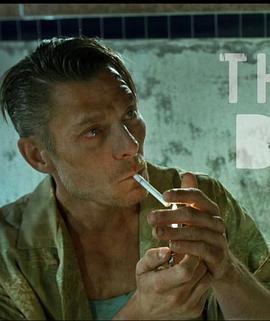
改编自剧作家Stephen Adly Guirgis 的《THE LAST DAYS OF JUDAS ISCARIOT》中的一节。
 ◎8.3▶
◎8.3▶恋上哲学家
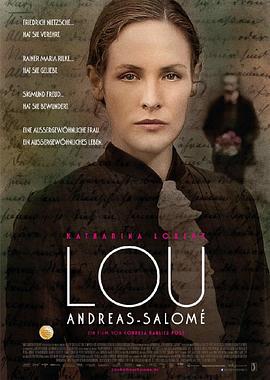
俄裔哲学家、心理学家露·安德烈亚斯-莎乐美寡居在纳粹德国,一位年轻学者的到访令她回想起自己的过往,圣彼得堡的求学生涯、青年时期的成就与爱情一一浮现在眼前。本片是哲学家莎乐美的传记电影,用交叉剪辑的方式将她生命中最重要也最富传奇色彩的三个时段呈现出来,连接这些片段的线索则是明信片,角色被放置于静态的景物和人物之间,宛若行在画中。