
内容简介
花鼓戏 逃荒在外的花鼓伞把子柳郎,回到家乡与青梅竹马的穷家姑娘兰花相见,互诉衷肠。灯会上,财主张厚德的女儿银花看重了柳郎,张厚德将柳郎诓来要他与女儿强拜花堂,遭到柳郎拒绝。张厚德诬告柳郎悔婚,于是衙役在柳郎和兰花的婚堂上将他们抓进县衙。县官偏袒财主,柳郎和兰花只好以花鼓戏的形式跟喜欢灯谜和花鼓戏的县官讲明根由,把财主驳斥得无言以对。
相关推荐
 ◎3.4▶
◎3.4▶工作的她
帕纳约塔与丈夫科斯塔斯和两个孩子住在雅典一个很受欢迎的社区里,生活似乎很平静。她唯一的工作就是照料家务和抚养孩子。随着经济危机的严重打击,这个家庭艰难度日。在这种情况下,帕纳约塔为了补贴家用,外出就职,找到了一份清洁工的工作。虽然她的工作环境恶劣,她也面临着残酷的剥削,但到目前为止,她在枯燥的生活中度过了最快乐的时光。但这不会持续太久,因为第一轮的裁员很快就会到来。
 ◎4.4▶
◎4.4▶穿粉红色裤子的男孩
Andrea had just turned fifteen when he decided to take his life. He seemed to be a happy teenager, with good grades at school and an excellent relationship with his parents. There seemed to be no explanation for what he did, until his mother accessed his Facebook profile and reconstructed the terrifying bullying and cyberbullying her son was going through at school.
 ◎4.1▶
◎4.1▶一时,冲动
杨大伟的情人吴美妮向杨大伟开出五十万元分手费,杨大伟为了省钱,做出了一个冲动的决定…… 憨厚老实的快递男为了偿还债务,签下了杨大伟开出的“演出合同”。杨大伟让快递男扮演一名入室抢劫的劫匪,把五十万分手费抢回来。看似简单的剧情,却发生了意外…… 快递按计划行动,但杨大伟却良心发现要终止行动。争论之时,被捆在卧室里的吴美妮挣脱逃跑,并发生意外身亡。快递男主张报警,杨大伟说自己的公司正在审计准备上市,不能出事;快递男提出撤退,杨大伟却要挟快递男留下善后…… 杨大伟的邻居金链男趁老婆不在家,在手机软件上约了一位美女“超短裙”陪自己共度良宵。可是他没想到,这位美女是专门来“教育”他的。 大力和黑子是美女的同伙,两人在赶往任务地点——金链男家与美女汇合的时候因为酒驾而被警车追击。 由于夜晚光线差,美女误入杨大伟家,当她看到一地血的时候,才知道自己找错门了。美女被快递男捆在卧室,意外升级…… 金链男没等到人,于是出门查看,并怀疑是杨大伟扣了自己的人。杨大伟给金链男开了门,并且和快递男一起制服了金链男,意外再次升级…… 快递男看到金链男很吃惊,因为金链男正是自己的债主。金链男向快递男承诺,只要放了自己,债务就一笔勾销。正在这时,被捆在一边的美女哮喘病发作,当场身亡。金链男趁机冲出别墅。杨大伟和快递男连忙追出别墅,不料却遇见了大力和黑子假扮的“警察”。 杨大伟和快递男摆脱假警察之后,先把吴美妮的尸体搬进后备箱,当搬运美女尸体的时候,二人再次产生分歧,快递男良心发现要报警,杨大伟坚决不同意,并对快递男痛下杀手,快递男自卫。 拉着美女的出租车司机,来给美女归还落在车上的手机时,不小心撞到了装有尸体的豪车,后备箱盖被撞开,尸体被发现…… 追着酒驾而来的警察,成功抓获了大力和黑子两名酒驾的假警察,刚要收队,听到了撞车的声音,于是立即赶往现场,终止了这场闹剧。
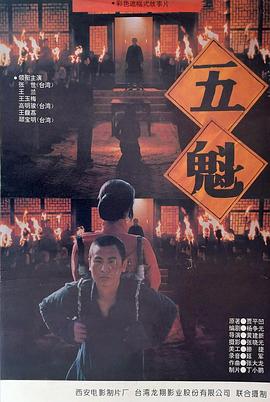 ◎9.6▶
◎9.6▶五魁
一部纯粹表现大陆黄土高原风味的文学电影,由大陆导演黄建新执导,台湾演员张世担纲扮演男主角五魁。全片制作严谨,阐事手法亦颇有味道,可惜片中很多仪式性的场面安排却有着《大红灯笼高高挂》的浓厚影子,使本片的艺术价值打了不少折扣。
 ◎6.8▶
◎6.8▶一个明星的诞生1937
艾斯特(珍妮·盖诺 Janet Gaynor 饰)是怀揣着成名的梦想,刚刚步入好莱坞发展的年轻女演员,在大明星诺曼(弗雷德里克·马奇 Fredric March 饰)举办的慈善演出中,艾斯特大放异彩,成为了万众瞩目的焦点,而她和诺曼之间也相互吸引,渐渐产生了感情,就这样,两人走到了一起。 诺曼用自己的人脉帮助艾斯特创造了一些演出机会,而艾斯特本身就是一个悟性非常高的女孩,拥有绝佳的表演天赋,没过多久,她就成为了冉冉升起的新星,未来可期,前途无量。但相对的,艾斯特的成名反衬出了诺曼的过气,他酗酒的毛病让他的星途屡遭滑铁卢。虽然妻子的优秀令诺曼感到自豪,但沮丧和挫败感亦在无时不刻的折磨着他。
 ◎6.9▶
◎6.9▶老男孩2013
1993年,粗鲁张扬的男人约瑟夫·杜森特(乔什·布洛林 Josh Brolin 饰)在深夜遭人绑架。当他醒来时,发现身处一个完全封闭的房间。每天有人按时送来一成不变的饺子,却没人告诉他为什么将其囚禁在这里。他愤怒、沮丧、绝望、哀伤,通过房间里的电视机,得知前妻堂娜·霍桑被人残忍杀害、年仅三岁的女儿米娅被人收养的消息,而自己则背负了杀人犯的罪名。万念俱灰的约瑟夫求死不能,为了女儿他锻炼身体,试图从牢笼中逃脱。漫长的二十年过去,体格健硕的约瑟夫又意外地被人释放。他求助于好朋友恰吉(迈克尔·因佩里奥利 Michael Imperioli 饰),并得到了美丽女孩玛丽的帮助(伊丽莎白·奥尔森 Elizabeth Olsen 饰)。 约瑟夫靠着仅有的线索追查自己被囚禁的原因,而他也终于逼近那个可怕的真相……
 ◎6.1▶
◎6.1▶西北西
一群年轻人,挣扎于不安的生活,对前途的迷茫。Kei与爱人Ai的关系有了一种不安全感,当她遇见伊朗学生Naima后,Kei重新思考自己的生活。看到Naima如此真实和虔诚的对待自己的生活,Kei受到影响,自己的生活也开始有所变化。
 ◎4.9▶
◎4.9▶死亡之谜
一脸疲惫的心理医生何宁(温兆伦 饰)回到家中,诡异地收到一个装着精美双鱼玉佩的神秘包裹。随后他接到一通电话,按照对方的指示来到破败且无人居住的702房间,结果发现他所负责的抑郁症女患者李泽尚(杨心蕊 饰)在房间内上吊自杀。随后赶来的警方将何宁当场抓获,担任刑警的好友凌志杰(黄征 饰)对其展开问询,何宁被迫回忆起前几日来发生的各种匪夷所思的事件。在为李泽尚例行治疗后,前台小姐交给他一枚玉佩,适逢妻子董昕洁(余思潞 饰)的生日,何宁下班后带着礼物回家。原本你侬我侬的夜晚,妻子竟在他的眼前跳楼后消失。 原本平静的生活陷入混乱,何宁该如何找回自己的人生……
 ◎9▶
◎9▶失落少年
Sorn, an ethnic Shan sex worker, copes with his bitter reality in Chiang Mai, Thailand by imagining himself in his clients’ lives. He is drawn into a complex relationship with one client, a police officer investigating a political activist, even as he tries to build a future of his own as a refugee far from home.
 ◎9.3▶
◎9.3▶天堂在人间
克莉斯汀娜和马蒂斯是一对拥有一双子女的中年夫妇,家庭生活幸福美满。热情开朗颇具天赋的儿子乔纳斯在夏威夷帆板冲浪时失踪,打破了家庭的平静。夫妇二人急忙启程寻子,留下年迈的奶奶和女儿洛蒂留守家中照看药房。克莉斯汀娜近乎疯狂地寻找着儿子的踪迹,与此同时,马蒂斯得知儿子的尸体已被找到。事已至此,马蒂斯希望回家筹备儿子的葬礼,但克莉斯汀娜却无法走出丧子之痛,坚持留在这片儿子临终前生活的地方了解他出事的经过。夫妇二人不欢而散。一直嫉妒哥哥得到父母更多爱的洛蒂却因为哥哥的死悲痛至极以至于无法进行乐团的试音。马蒂斯回到家中为她争取了一次重新试音的机会,洛蒂成功进入乐团。克莉斯汀娜在朋友汤姆的陪伴下,看到儿子生前设计的帆板图样,也结识了儿子的夏威夷女友哈娜。克莉斯汀娜依照夏威夷人的传统将儿子一部分骨灰撒向海中,她的内心也在逐渐愈合。马蒂斯带着洛蒂来到夏威夷,克莉斯汀娜意识到应该放下伤痛开始新生活,而洛蒂也从哈娜的口中得知哥哥是多么以她为傲。
 ◎3.3▶
◎3.3▶云雀
电影《云雀》讲述了主人公田文(丁海峰饰)放弃了优越的生活回乡支教,与来自城里的年轻教师徐欣(于莎莎饰),共同点亮了山村贫穷儿童生活学习的希望,通过三代教育人的初心和传承,展现了扎根山村教育事业的教师群像,反映了他们甘为烛泪照亮别人的高尚品德和奉献精神......
 ◎9.5▶
◎9.5▶灵目传——觉醒
杨叶是一名普通白领,在一家规模不大的珠宝公司上班,是一位标准的“佛系青年”,平日里与大大咧咧的少女赵歆,和性格奇葩的室友黄冰合租一间公寓,生活得过且过,没有目标,突然遭遇失业和失恋的双重打击也显得有些麻木。在一次意外中,杨叶引发了祖传项链中蕴含的能量,从而获得了透视的超能力。初获能力的杨叶非常兴奋,却又在放不下前女友与室友赵歆的好感中迷茫和踌躇。没过几天,几位室友卷入了针对杨叶的一起危险事件中,而杨叶在解决危险事件拯救大家的同时,也逐渐开始正视自己的内心,找到需要守护的重要东西以及生命的意义。