内容简介
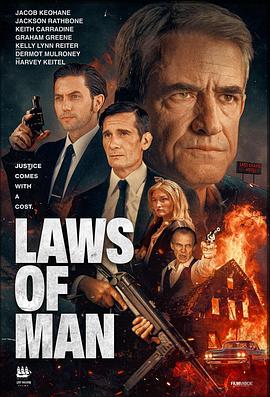
At the dawn of the Cold War, two U.S. marshals pursue a wanted murderer in the deserts of Nevada.
相关推荐
 ◎5.3▶
◎5.3▶决战食神
影片主要讲述了高天赐是广州一个小厨师,和来自法国拥有米芝莲三颗星荣誉的名厨安保罗,厨艺各有千秋,从一开始的争锋相对,到成为惺惺相惜的好友,并联手参加‘全球美食之王’大赛夺得冠军的故事。
 ◎4.9▶
◎4.9▶所有明亮的地方
西奥多(贾斯提斯·史密斯 Justice Smith 饰)是一位非常忧伤的年轻人,脑子里整天都徘徊着自我了断的糊涂念头,也有几次,西奥多试图将自杀的想法转变成为现实,但每到这个节骨眼上,总会发生一些事情阻碍西奥多踏进另一个世界的步伐。 维奥莱特(艾丽·范宁 Elle Fanning 饰)的姐姐去世了,和姐姐感情十分要好的维奥莱特陷入了痛苦和抑郁之中。正在念书的她迫不及待的期盼着毕业季的到来,如此一来,她就可以彻底逃离令她感到窒息的印第安纳小镇,逃离姐姐的死带给她的阴影。这样的两个年轻人,一次偶然之中,他们在钟楼上相遇了。西奥多发现,这个可爱率真的女孩能够令自己卸下假面和心房,维奥莱特亦觉得,和西奥多在一起的每分每秒,时间不再那么令她感到难熬。
 ◎6.5▶
◎6.5▶致命蜈蚣
故事讲述一群人遭遇了因污染变异的大蜈蚣而展开的逃生故事。片中因为污染一只蜈蚣发生变异。同时通过卓伟设计综艺直播,反应现在综艺的为了节目效果,加入各种噱头,影片通过卓伟的故事,在面对社会的各种诱惑,能克服自己心中欲望,正确、理性的处理问题。
 ◎3▶
◎3▶继母与女儿的蓝调 SP
这次原创故事的时间线定在前作结局后的一年,因此在前作中因病去世的亚希子丈夫、竹野内丰饰演的宫本良一也将再次出现。亚希子再就业的一年后,时间是2019年的秋天,亚希子在大阪,美雪在东京,两人分居两地。亚希子在大型咨询公司中依然精明强干,表现出色,丝毫看不出有10年的空窗期。而成为大学生的美雪仍旧是惹人喜爱、我行我素。她的每天都在社团或是打工中度过,十分充实。另外,美雪和发小大树(井之胁海)的关系依旧是老样子。然而某天,亚希子突然回到东京,久违地来到了美雪住的公寓,宣称自己被公司炒了鱿鱼。没想到的是,亚希子在美雪家中碰见了美雪的老板,Bakery麦田的店长(佐藤健)。他只围着一条浴巾,刚从浴室走出来。更让人吃惊的是,麦田怀里还抱着一个婴儿。就在此时美雪也回来了。莫非这个婴儿是美雪和麦田的孩子! 完全摸不着头脑的亚希子陷入了混乱,大喊道“这到底是怎么一回事!
 ◎5.9▶
◎5.9▶与你飞翔
影片讲述农村少年慧儿与大毛在初夏的村口湿地发现四枚大雁蛋,出于对生命的珍视将其带回保护,却被以猎雁牟利的猎人和企图将大雁作为“野味”招徕顾客的铁锅炖餐馆老板盯上。面对成人世界的贪婪与威胁,两个孩子
 ◎3.1▶
◎3.1▶特快达阵
这部电影改编自美国著名的橄榄球好手厄尼·戴维斯的生平,他是第一位获得美国大学橄榄球联盟最高奖项海斯曼奖(HeismanTrophy,相当于最有价值球员)的非裔美国bbb。他在1960和1961年带领锡拉丘兹大学橄榄球队两次获得全国冠军。但他毕业后,未能参加职业橄榄球比赛,因为他被诊断出患有白血病,第二年他就遗憾地告别了人世。
 ◎6.8▶
◎6.8▶爱无所罪
年輕的連恩在汽車旅館打工,好讓薪水足以支付學費。某次上班時,他的無心之過惹怒了脾氣暴躁的客人哈利,這讓連恩擔心會因此失去這份工作。但經過了幾天的相處,連恩發現哈利迷人的另一面,哈利也大膽地向連恩示愛。兩人的相遇彷彿是命運的最好安排,但各種的困難與挑戰此時卻朝著他們而來……
 ◎8.8▶
◎8.8▶我是霸王龙
恐龙之王巅峰对决!作为地球有史以来最大的陆地生物,恐龙一直对人类有着强烈的吸引力。穿越6500万年前白垩纪晚期,走进一个神秘五彩斑斓的恐龙新世界,生动再现奇特而壮观的史前时代,一段关于陆地最强王者霸王龙惊险刺激的冒险即将呈现……
 ◎9.3▶
◎9.3▶打过长江去
《打过长江去》以渡江战役为背景,再现了新中国成立前的关键时刻,人民解放军一支先遣分队潜入江南,打进虎穴斗智斗勇,命悬一线却与各种敌人殊死斗争,为祖国统一而舍生取义、无私拼搏, 最终配合百万大军过长江,将红旗插遍中国。
 ◎6.8▶
◎6.8▶恰恰丝滑
刚从大学毕业的安德鲁对自己的人生感到十分迷茫,他找不到前进的方向,所以暂时赖在了新泽西的家中,在镇上找了一份给酒吧和成人礼当派对发起人的工作。在那里,他与一位年轻的妈妈和她十几岁的女儿建立起了非常特别的友谊。
 ◎7.5▶
◎7.5▶盲目的丈夫们
Two differences between this Austrian version and the generally available American version are immediately obvious they differ both in their length and in the language of the intertitles. The American version is only 1,883 metres long - at 18 frames per second a difference of some 7 minutes to the Austrian version with 2,045 metres. Whereas we originally presumed only a negligible difference, resulting from the varying length of the intertitles, a direct comparison has nevertheless shown that the Austrian version differs from the American version both in the montage and in the duration of individual scenes. Yet how could it happen that the later regional distribution of a canonical US silent film was longer than the original version The prevalent American version of Blind Husbands does not correspond to the version shown at the premiere of 1919. This little-known fact was already published by Richard Koszarski in 1983. The film was re-released by Universal Pictures in 1924, in a version that was 1,365 feet (416 metres) shorter. At 18 frames per second, this amounts to a time difference of 20 minutes! Titles were altered, snippets of action removed and at least one major scene taken out entirely, where von Steuben and Margaret visit a small local chapel. (Koszarski) From the present state of research we can assume that all the known American copies of the film derive from this shortened re-release version, a copy of which Universal donated to the Museum of Modern Art in 1941. According to Koszarski the original negative of the film was destroyed sometime between 1956 and 1961 and has therefore been irretrievably lost. This information casts an interesting light on the Austrian version, which can be dated to the period between the summer of 1921 and the winter of 1922. Furthermore, the copy is some 200 metres longer than the US version of 1924. If one follows the details given by Richard Koszarski and Arthur Lennig, this means that, as far as both its date and its length are concerned, the Austrian version lies almost exactly in the middle between the (lost) version shown at the premiere and the re-released one.A large part of the additional length of the film can be traced to cuts that were made to the 1924 version in almost every shot. Koszarski describes how the beginning and the end of scenes were trimmed, in order to speed up the film. However, more exciting was the discovery that the Austrian version contains shots that are missing in the American one - shotscountershots, intertitles - and furthermore shows differences in its montage (i.e. the placing of the individual shots within a sequence). All this indicates that Die Rache der Berge constitutes the oldest and most completely preserved material of the film.
 ◎5.6▶
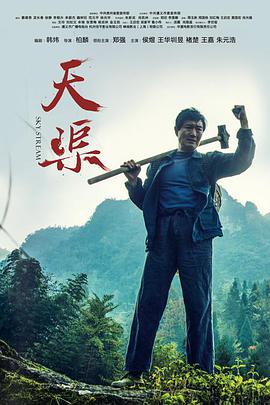
◎5.6▶天渠
讲述被中宣部授予“时代楷模”称号的优秀共产党员、贵州遵义仡佬族乡村干部黄大发,从20世纪60年代起,历时30余年,带领群众在绝壁上凿出一条长9400米、地跨3个村的“天渠”,践行了新时期愚公移山精神的故事。