内容简介
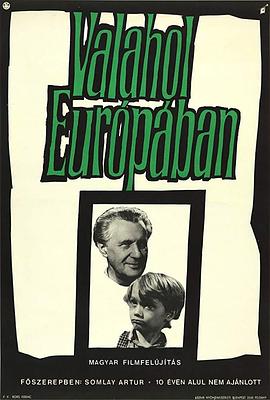
Somewhere in the remote region, the war ends. In the midst of ruined cities and houses in the streets, in rural hamlets, everywhere where people still live, are children who have lost their homes and parents. Abandoned, hungry, and in rags, defenseless and humiliated, they wander through the world. Hunger drives them. Little streams of orphans merge into a river which rushes forward and submerges everything in its path. The children do not know any feeling; they know only the world of their enemies. They fight, steal, struggle for a mouthful of food, and violence is merely a means to get it. A gang led by Cahoun finds a refuge in an abandoned castle and encounters an old composer who has voluntarily retired into solitude from a world of hatred, treason, and crime. How can they find a common ground, how can they become mutual friends The castle becomes their hiding place but possibly it will also be their first home which they may organize and must defend. But even for this, the price will be very high. To this simple story, the journalist, writer, poet, scriptwriter, movie director, and film theoretician Béla Balázs applied many years of experience. He and the director Géza Radványi created a work which opened a new postwar chapter in Hungarian film. Surprisingly, this film has not lost any of its impact over the years, especially on a profound philosophical level. That is to say, it is not merely a movie about war; it is not important in what location and in what period of time it takes place. It is a story outside of time about the joyless fate of children who pay dearly for the cruel war games of adults. At the time it was premiered, the movie was enthusiastically received by the critics. The main roles were taken by streetwise boys of a children's group who created their roles improvisationally in close contact with a few professional actors, and in the children's acting their own fresh experience of war's turmoil appears to be reflected. At the same time, their performance fits admirably into the mosaic of a very complex movie language. Balázs's influence revealed itself, above all, in the introductory sequences an air raid on an amusement park, seen in a montage of dramatic situations evoking the last spasms of war, where, undoubtedly, we discern the influence of classical Soviet cinematography. Shooting, the boy's escape, the locomotive's wheels, the shadows of soldiers with submachine guns, the sound of a whistle—the images are linked together in abrupt sequences in which varying shots and expressive sharp sounds are emphasized. A perfectly planned screenplay avoided all elements of sentimentality, time-worn stereotypes of wronged children, romanticism and cheap simplification. The authors succeeded in bridging the perilous dramatic abyss of the metamorphosis of a children's community. Their telling of the story (the scene of pillaging, the assault on the castle, etc) independently introduced some neorealist elements which, at that time, were being propagated in Italy by De Sica, Rossellini, and other film artists. The rebukes of contemporary critics, who called attention to formalism for its own sake have been forgotten. The masterly art of cameraman Barnabás Hegyi gives vitality to the poetic images. His angle shots of the children, his composition of scenes in the castle interior, are a living document of the times, and underline the atmosphere and the characters of the protagonists. The success of the picture was also enhanced by the musical art of composer Dénes Buday who, in tense situations, inserted the theme of the Marseilaise into the movie's structure, as a motive of community unification, as an expression of friendship and the possibility of understanding. Valahol Europaban is the first significant postwar Hungarian film. It originated in a relaxed atmosphere, replete with joy and euphoria, and it includes these elements in order to demonstrate the strength of humanism, tolerance, and friendship. It represents a general condemnation of war anywhere in the world, in any form.
相关推荐
 ◎3.8▶
◎3.8▶云裳风暴
大名星朱丽娅·罗伯茨,蒂姆·罗宾斯,索非娅·罗兰,马塞洛·马斯楚安尼1994年主演。素以讽刺手法见长的大导演罗伯特.奥尔特曼向巴黎的时装界开刀,利用一次时装大展的举行来暴露其中内幕,最后甚至安排大批模特儿全裸出场以收震撼效果,不知电视上能否以原貌播出? 影片剧情以多线交错进行,一方面是法国时装协会会长突然暴毙,他的遗孀、儿子和情妇趁机争夺生意经营权,而警方则派员前来调查暴毙案真相;另一方面各地媒体蜂涌前来采访,美国女记者被迫与男记者共租一个房间,结果两人足不出户便完成采访任务;几份时装杂志则采用谍对谍方式引诱时装摄影师跟他们签约。
 ◎9.1▶
◎9.1▶穷乡僻壤
Tania is an actress, 43. Thore is 15, a misfit in a small village at the northern tip of Germany. At the beginning of winter, Tania escapes from her numb life to the village. They meet. She decides to steal him from his parents. The actress Tania travels from Munich to a village in the north of Germany. The skies are grey, just like the sea and the wintery plains. Her feelings are also covered in a grey veil of mist. Her painful past makes it impossible for this forty-something to feel anything at all. The arrival of the stranger is immediately noticed in the tight-lipped community, but she is hardly welcome. Only the teenager Thore, whose imagination is too much for this no-man’s-land, has contact with her. A fragile band develops between them - attraction, rejection and occasionally sexually charged. Thore reveals a need in Tania, one she didn’t know she had. She decides to ‘steal’ Thore to come to terms with her own loss. Rough is a directing debut filmed with great poise and with a sharp eye for this beautiful yet slightly depressing landscape and the people who inhabit it. The camera first functions as a detached observer, then as an accomplice, always very close to Tania.
 ◎9.7▶
◎9.7▶满城尽带黄金甲
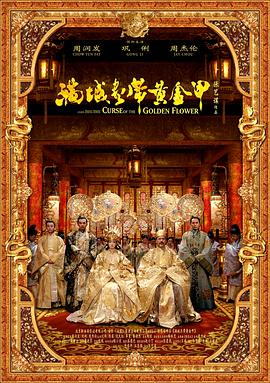
王(周润发 饰)领兵造反,夺得了王位。他为了更加巩固自己的地位,赶走了前妻,迎娶了梁国的公主、现任王后(巩俐 饰),以得到梁王的支持。王子元祥(刘烨 饰)是前妻留下的孩子,王跟现任王后也生下了元杰(周杰伦 饰)、元成(秦俊杰 饰)。王后却与元祥有着不可告人的乱伦关系,王一直念念不忘自己的前妻,对外声称前妻已死。王后一直野心勃勃,元杰得知父亲逼着母亲吃毒药,就答应了母亲在重阳节的那天发起兵变,腥风血雨的战争也开始了……
 ◎7.7▶
◎7.7▶盛唐妖异志
唐景龙年间,坊间妖祸肆意,百姓民不聊生。秦杰(刘旭阳饰)作为太子李隆基的贴身侍卫,誓要与妖决雌雄,为了重振秦家威名,稳固大唐江山根基,他求助于湖底妖仙水月(于轩鸿灏饰)为其斩妖除魔。宫廷内斗、江湖纷争以及光怪陆离的妖界让秦杰倍感压力,在关键时刻,上仙水月为帮秦杰,不惜与魔头镜花为敌,血战群妖。神秘莫测的唐朝世界,虚拟离奇的各类妖仙,究竟谁才是幕后黑手?
 ◎3.4▶
◎3.4▶谈途人生
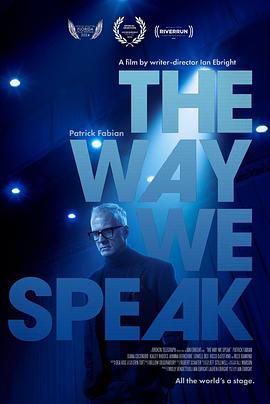
Billed as an allegory about America’s fractured politics and culture, the film follows Simon, an up-and-coming commentator whose world is turned upside down when his best friend and debate opponent suffers a fatal heart attack. Simon refuses to leave the spotlight at an annual thought-leader summit, leading to an obsession with his new opponent and a growing rift with his ailin...
 ◎3▶
◎3▶民王特别篇:新的阴谋
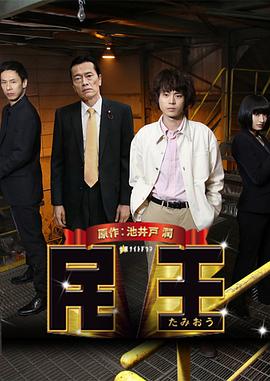
历经千辛万苦,好不容易和儿子阿翔(菅田将晖 饰)换回身体的日本第一百位首相武藤泰山(远藤宪一 饰),谁知竟在出国访问的途中再度与阿翔交换了灵魂,与此同时国会中许多议员也突然和某幼儿园的孩子交换了身
 ◎6.6▶
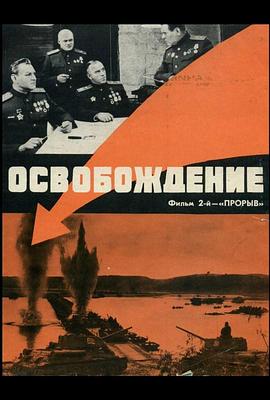
◎6.6▶解放2:突破
大型历史电影史诗《解放》由五部电影组成。第二部电影《突破》讲述了1943年后半期的二战大事件。希特勒营救墨索里尼,将意大利绑在德国的战车上;红军突破第聂伯河防线,收复基辅;德黑兰三国首脑会议,决议开辟第二战场等等。
 ◎4.2▶
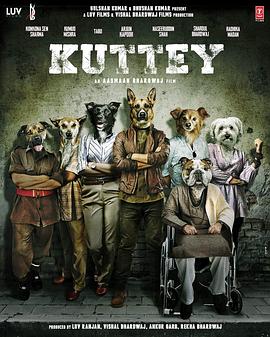
◎4.2▶疯狂大劫案
腐败不堪的警 察、年事渐高的犯 罪 头 目和残酷无情的反叛者都将一辆高度戒备的运 钞车作为目标,于是他们的打劫计划陷入一片混乱
 ◎7.6▶
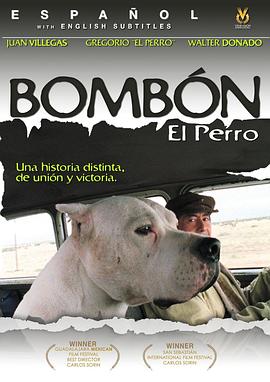
◎7.6▶保镖犬大B
获奖:2004年圣塞巴斯蒂安国际电影节影评人费比西奖 阿根廷草原上,住了个失业中年,一生劳碌的油站一声关门便前路茫茫,他替老妇修车,老妇给他送上白狗大B做回报。可大B原来是头纯种名犬,不只改写了新主人的孤独生活,还在狗展赢来季军,从此人狗同途乐也融融。但人心叵测,大B嗅出的危险主人懵然不知。
 ◎3▶
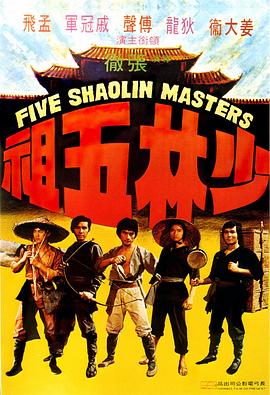
◎3▶少林五祖
将少林寺视为眼中钉的清廷利用安插在少林寺中的奸细提供的情报,调遣了各路高手火烧少林寺,处心积虑地想一举消灭少林子弟。事出突然,寺中僧人及俗家弟子仓促应战一番后十死其九。 捡得性命的方大洪(孟飞)逃向广东与李式开(戚冠军)会合,商议如何继续反清复明。而胡德帝(姜大卫)、蔡德忠(狄龙)、马超兴(傅声)等人则北上中原,千方百计查找寺中内奸,决意为死去的少林弟子报仇。——五人一度对少林功夫有所怀疑,后来才醒悟怪不得少林功夫,只怨自己学艺不精,于是潜心修炼终成正果,被后世称为“少林五祖”。
 ◎6▶
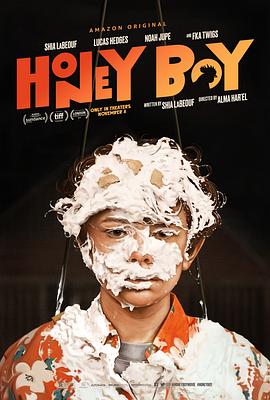
◎6▶宝贝男孩
12岁的Otis是一名在好莱坞冉冉升起的电视新星。当他的事业开始风生水起时,他曾扮过马戏小丑的父亲回到他身边,成为他的监护人。在片场之外的时间里,Otis与他的父亲一起住在一家位于城市边缘的汽车旅馆,忍受着傲慢霸道的父亲的虐待。《宝贝男孩》跟随着两条时间线,展现了一对父子之间充满争议的关系以及十年来两人试图修复心障的历程。 这是编剧主演Shia LaBeouf与导演Alma Har'el的又一次令人惊叹的合作,描绘出了一幅痛苦却又给人以启迪的成长自画像。Shia LaBeouf的剧本深入潜进Otis的精神世界,挖掘出虐待给他留下的伤痕、令人不快的真相;而Alma贡献出了激动人心、个人风格强烈的导演技巧,同时也始终没有忘记影片温暖动人的内核。两位出色的年轻演员——Noah Jupe和Lucas Hedges——分别扮演两个不同年龄段的Otis,他们充满张力的表演塑造出了一个有力而质朴的角色,他的感情被愤怒和宽恕的渴望驱使着——这两种感情看似自相矛盾,却又真实共存。
 ◎8.3▶
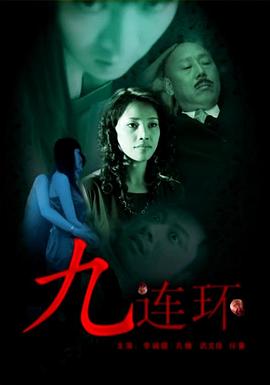
◎8.3▶九连环
一个处在黄金年龄末尾的女人,她很聪明,曾经有着不错的前途。但是她放弃了出国深造的机会,而选择留下来全力支持丈夫的事业。但是随着时间流逝激情褪去,丈夫对她的冷淡让她的心理严重失衡 ,她不甘心自己成为大别墅中的金丝雀,于是谋划了一场阴谋,没有预料的是她也成为别人圈套中的“棋子”……