
内容简介
电影讲述了未来世界,人工智能高速发展,程非(梁龙 饰)为牟取暴利研制激发异能人的芯片,导致千鹤(张祎曈 饰)母亲牺牲。逃出生天的千鹤为给母亲复仇,以身涉险对抗程非一众恶势力,危急关头激发身体异能,发现了隐藏十年的秘密.....
相关推荐
 ◎4.8▶
◎4.8▶我亲爱的老师
新学1班迎来了新班主任郭知书,班里几名学生的举动引起了郭知书的注意。王毅同学手表不见了在没有了解事情真相便误会了苏小丽。沈逸文,严复,张倩倩,李欣等几个好朋友看见小丽受欺负便上前争论双方发生争执。郭知书将5人叫到办公室后发现他们都有各自的家庭问题,每个人都希望得到父母的关心,李欣希望父母不要吵架,沈逸文希望得到家人的陪伴,张倩倩希望得到父母的认可,严复希望父母可以复婚,苏小丽希望自己快点长大赚钱孝敬父母。之后经过郭老师的多次开导与家访得以解决孩子们的问题,期末家长会上,每个父母也意识到自己的问题反思自身并作出改变,期末考试1班以优异的成绩得到学校第一名,郭知书也被学校授予优秀教师的荣誉称号。
 ◎4.6▶
◎4.6▶京北的我们
本片讲述了望京河与李梦洁从大学校园到社会职场跨越二十年的爱情故事。90年代的大学校园,青葱岁月一见钟情,克服重重艰难,在毕业之际走到了一起。随着改革开放,香港回归,21世纪的飞速发展,两人跟随时代的步伐,经过多年奋斗,终于在北京扎根,家庭的重担,北漂的压力,矢志不渝的爱情是京河的唯一支柱。女儿娇娇的到来,让绝望的望京河重新燃起了希望,北京的故事还在继续着。
 ◎8.7▶
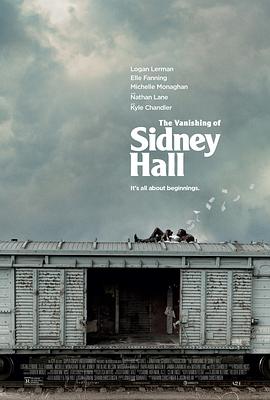
◎8.7▶消失的西德尼·豪尔
豪尔(罗根·勒曼饰)因一部小说而瞬间成名,然而其作品也发展了一出悲剧,他的事业似乎蒙上了阴影,而他过去的黑暗秘密也变得越来越复杂。
 ◎8.8▶
◎8.8▶诸魔之战
代表着七宗罪“愤怒”的坠落天使Bruce失魂落魄地徘徊在城市钢筋水泥的丛林里。在一个天使般的小女孩儿引领下,Bruce展开了对同为坠落天使的“嫉妒”,“色欲”,“贪吃”,“傲慢”,“懒惰”,“贪婪”的猛烈攻击,并将象征他们力量的斑彩宝石集齐转化成打开天堂大门的钥匙。然而,所发生过的一切不过是一个幻象,一个巨大的阴谋才刚刚开始。
 ◎9.2▶
◎9.2▶大汉军魂
王莽乱政时期,北匈奴乘机吞并西域控制丝路,汉朝廷为重新打通丝路,派班超出使西域。在车师前王部与匈奴两万铁骑展开了殊死较量,顽强的以最后所剩13人之力坚守疏勒城,创造出世界军史经典战例,成就了大汉军魂。
 ◎6.3▶
◎6.3▶红盾先锋
中国西部,黄土高原,年过半百、退居二线的市工商局原副局长李仁民受组织委派深入民营企业开展党建工作,并担任党建指导员。为改变企业困境,他不顾嘲讽和排挤,终于赢得了工人们和老板的信任。春华秋实,李仁民不辞辛劳,并成功组建了当地首家民营企业党支部,他所带领的党支部在新时代下也真正成了企业的好参谋和好帮手。
 ◎6▶
◎6▶恐吓
北陸××銀行直江津支店次長滝田恭助は、本店の業務部長に栄転することになった。彼の妻は頭取の娘で、このことも出世を早める原因らしかった。滝田の送別会で、一人離れて座っている男があった。中学時代に滝田と同級だった庶務係の中池だ。滝田の妻はもとはといえば中池の恋人だった。それを滝田が奪ってから彼の人生街道が開いたのだ--。宴会の帰途、滝田の前に立った男がある。ヤクザの熊木だ。滝田が女を養うために印鑑を偽造、浮貸しをしている秘密を握っているのだ。三百万円よこせと脅迫した。そして、拳銃を渡して金庫破りをすすめた。ある夜、レインコートを着、ハンチングと黒いスカーフで顔を隠した滝田は、小使を縛って銀行へ押し入った。宿直の中池が帰って来た。滝田は拳銃をつきつけ、金庫の前に中池を引っ立てた。しかし、中池は滝田の正体を見破っていた。滝田は急に笑い出し、防犯週間だから銀行ギャングの予行演習を考えついたのだと言った。この場は何とかつくろったが、熊木が三百万円を待っている。二人は断崖の上でもみあい、足をすべらした熊木は悲鳴を残して落ちていった。翌日、滝田は中池に呼び止められた。中池は自分が熊木を使って脅迫させていたのだと言った。--妻や子と任地へ向う滝田は汽車に乗っていた。しかし、隅の方の席には中池が座っていた。「これからあんたの行くところへはどこまでもついて行く。銀行はやめたよ」と滝田を見上げて言うのだった。
 ◎7.1▶
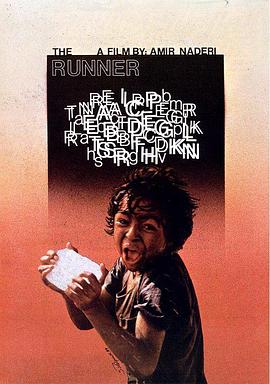
◎7.1▶奔跑的亚军
艾米鲁是一个身体瘦弱的小男孩,他和街上别的男孩一样,整日在波斯湾海滩上拾甁子、捡破烂,来换取生存所需。在他们生活的这片沙漠里,有火车通过。追逐火车成了这些孩子们的一个共同的游戏。他们听到火车到来的声音,就会放下手中的东西,奋力去追,追过火车,追过同伴。艾米鲁在很小的时候就已经懂得了生活的意义,他知道,如果想要生活得好,就要努力奋斗。这种生活的感悟就是来自于他追火车的乐趣中。整个过程就是赛跑,和火车赛跑,和别人赛跑,追逐并且超越了,就可以获取更好生活的能量。为了达到这种目标,艾米鲁努力学习知识,在艰苦的生存环境下奋力挣扎。逆境求生和学习成长成为了他最熟悉的两种比赛。
 ◎6.9▶
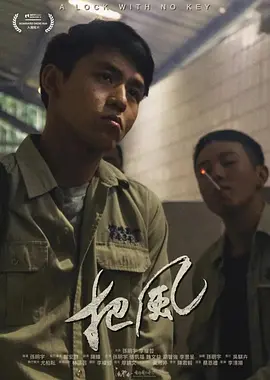
◎6.9▶把风
同儕像鏡子,以為照出我們是一模一樣的友,卻照出我們一模一樣的恐懼。 十七歲少年阿政,解開用鐵鍊封鎖的舊廁所,他幫嘉慶他們製造⼀個又一個的藏⾝之處。在裏頭他們躲避教官,欺負別人。阿政不斷地付出,嘗試破壞,嘗試新的說話方式,只為能找到歸屬感。萬達因⼀次的告狀,成為嘉慶⼀夥固定的霸凌對象,有天,教官發現了一切,因此換了新的鎖,開不了鎖的阿政慢慢地不再被需要,他漸漸的被拒於門外。
 ◎4.4▶
◎4.4▶盲舞
影片以长春市盲人按摩师、“吉林好人”“长春好人标兵”“感动朝阳人物”吴铁为原型,讲述了他助残、帮助自闭症儿童,奉献并克服重重困难追求自己的梦想——跳街舞的故事。 电影《盲舞》入围第七届温哥华华语电影节。
 ◎7.8▶
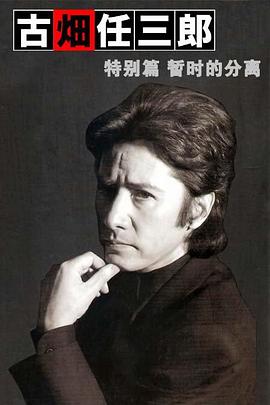
◎7.8▶古畑任三郎 暂时的分离
可怜的今泉慎太郎(西村雅彦 饰),由于饱受精神和肉体的折磨,最终令自律神经失调症进一步加重。为了治疗病症,他报名拜入前卫花道家二叶凤翠(山口智子 饰)的门下学习插花和舞蹈。凤翠原是花道家二叶凤水(長内美那子 饰)的得意门生,后因自立门户致令师徒失和。凤翠在花道的基础上融合了舞蹈的表现形式,引起了广泛的关注,她准备举行一次表演,而一向表现糟糕的今泉竟然被选中参加演出。发布会期间,凤水前来道贺,师徒的关系似乎出现缓和的态势,然而凤翠却试图趁机杀死这个对自己有着颇多微词的师父。适逢古畑任三郎(田村正和 饰)前来观看今泉的表演,他成为了这起杀人案件的见证者…… 本片为《古畑任三郎》系列最受好评的SP,收视率34.4%。
 ◎7.4▶
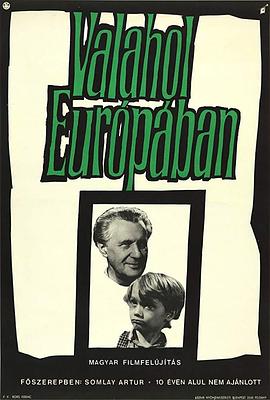
◎7.4▶欧洲的某个地方
Somewhere in the remote region, the war ends. In the midst of ruined cities and houses in the streets, in rural hamlets, everywhere where people still live, are children who have lost their homes and parents. Abandoned, hungry, and in rags, defenseless and humiliated, they wander through the world. Hunger drives them. Little streams of orphans merge into a river which rushes forward and submerges everything in its path. The children do not know any feeling; they know only the world of their enemies. They fight, steal, struggle for a mouthful of food, and violence is merely a means to get it. A gang led by Cahoun finds a refuge in an abandoned castle and encounters an old composer who has voluntarily retired into solitude from a world of hatred, treason, and crime. How can they find a common ground, how can they become mutual friends The castle becomes their hiding place but possibly it will also be their first home which they may organize and must defend. But even for this, the price will be very high. To this simple story, the journalist, writer, poet, scriptwriter, movie director, and film theoretician Béla Balázs applied many years of experience. He and the director Géza Radványi created a work which opened a new postwar chapter in Hungarian film. Surprisingly, this film has not lost any of its impact over the years, especially on a profound philosophical level. That is to say, it is not merely a movie about war; it is not important in what location and in what period of time it takes place. It is a story outside of time about the joyless fate of children who pay dearly for the cruel war games of adults. At the time it was premiered, the movie was enthusiastically received by the critics. The main roles were taken by streetwise boys of a children's group who created their roles improvisationally in close contact with a few professional actors, and in the children's acting their own fresh experience of war's turmoil appears to be reflected. At the same time, their performance fits admirably into the mosaic of a very complex movie language. Balázs's influence revealed itself, above all, in the introductory sequences an air raid on an amusement park, seen in a montage of dramatic situations evoking the last spasms of war, where, undoubtedly, we discern the influence of classical Soviet cinematography. Shooting, the boy's escape, the locomotive's wheels, the shadows of soldiers with submachine guns, the sound of a whistle—the images are linked together in abrupt sequences in which varying shots and expressive sharp sounds are emphasized. A perfectly planned screenplay avoided all elements of sentimentality, time-worn stereotypes of wronged children, romanticism and cheap simplification. The authors succeeded in bridging the perilous dramatic abyss of the metamorphosis of a children's community. Their telling of the story (the scene of pillaging, the assault on the castle, etc) independently introduced some neorealist elements which, at that time, were being propagated in Italy by De Sica, Rossellini, and other film artists. The rebukes of contemporary critics, who called attention to formalism for its own sake have been forgotten. The masterly art of cameraman Barnabás Hegyi gives vitality to the poetic images. His angle shots of the children, his composition of scenes in the castle interior, are a living document of the times, and underline the atmosphere and the characters of the protagonists. The success of the picture was also enhanced by the musical art of composer Dénes Buday who, in tense situations, inserted the theme of the Marseilaise into the movie's structure, as a motive of community unification, as an expression of friendship and the possibility of understanding. Valahol Europaban is the first significant postwar Hungarian film. It originated in a relaxed atmosphere, replete with joy and euphoria, and it includes these elements in order to demonstrate the strength of humanism, tolerance, and friendship. It represents a general condemnation of war anywhere in the world, in any form.