内容简介
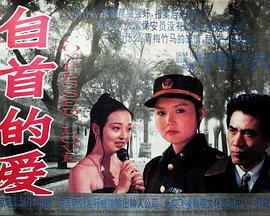
当红女歌星周媚(马羚)报案声称被人强奸,待刚从警官学校毕业上班没多久的女警官苏明(马晓晴)赶到其寓所调查时,她却摆出拒人千里之外的态度,要翻案,这让苏明心生蹊跷。而周媚所在公寓的保安员前来自首时所说的前后不搭的供词,加深了苏明的疑惑,她决定为这个差不多定性的案子多跑几趟。 在精神病医师肖健(陈宝国)的协助下,苏明发现前来自首的保安员不过是在幻想犯罪,真正的强奸犯另有其人。当一段埋藏在深层的隐情被掀开时,苏明也意识到自己一直被某种情绪压抑着,要获得新生,必须进行一次彻底的释放。
相关推荐
 ◎6.4▶
◎6.4▶法医密码
东江市公安局法医米小米在一起无名女尸案中,遇到了与姐姐米小佳的自杀有莫大关联的刑警温梓锋。两人的搭档过程中,米小米心有芥蒂,温梓锋却浑然不觉。在这样龃龉的气氛里,案件仍得到了重大突破,确认了尸源就是做过整容手术的网红主播曹越,进而锁定了有重大作案嫌疑的富二代李阳,却苦无证据。米小米通过法医检测,在李阳的木质棒球棍里检测出了血液反应,夯实了铁证。就在李阳自己都认罪之时,温梓锋却怀疑曹越案和三年期另一起整容女尸案有着太多的共同之处,本案背后仍有隐藏的真相。
 ◎4.1▶
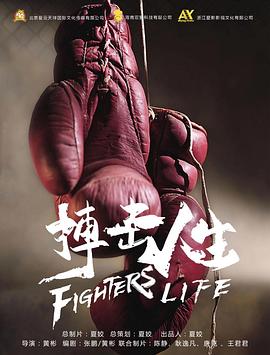
◎4.1▶搏击人生
特立独行的重庆女孩夏芸,为摆脱生活困境,通过坚持不懈地练习搏击,从而结识了好友张若萱,并联手抵抗赛事“黑手”金老板,最终赢得MMA冠军的故事。
 ◎8.1▶
◎8.1▶内衣教父下篇
经典漫画《内衣教父》将再度拍摄真人版,由伊藤健太郎主演! 白天是上班族,晚上是黑社会的主人工近藤由伊藤健太郎扮演。 影片将于今年春天在日本分成上下两集,连续上映!
 ◎9.7▶
◎9.7▶南游记之闹三界
少年华光与母亲芝陀在人间相依为命。一日雨夜,芝陀被一神秘妖兽抓走,幼小的华光被天宫仙人所救,并被告知抓住母亲的妖兽是传说中的妖王鬼火。为救出母亲,华光拜师仙人龙瑞王艰苦修行,历经生死,终学有所成。华光为寻妖救母,收乾坤宝塔,斗风火二怪,一路降妖伏魔,终于寻到了妖王鬼火的下落,但却没想到,自己早已卷入一个危及三界的惊天阴谋之中……
 ◎3.6▶
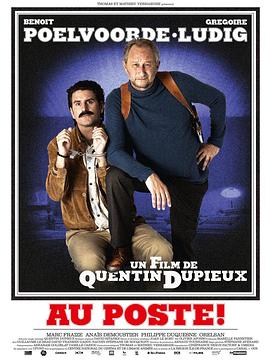
◎3.6▶在警局!
倒楣男子傅根在路邊發現一具屍體,到警局報案協助調查,不料竟成為兇案主嫌,吹毛求疵的警探不肯放過任何一個細節,逼得傅根只好不斷回想,將那晚發生的雞毛蒜皮小事都一五一十地娓娓道來。漫漫長夜,偵查持續進行,但各種意想不到的荒謬怪事,卻在警局接連發生,眼見不為憑,揪竟警探是否能一窺真相天機? 法國荒誕喜劇奇才昆汀杜皮爾繼《超能輪胎殺人事件》等片後再次出招,這次與比利時影帝貝諾特波爾沃爾德聯手出擊,大玩觀點敘事手法,顛覆觀眾對類型的預期心理,開創懸疑風意識流黑色喜劇。超現實元素不斷侵襲電影中的故事空間,還來不及困惑,幽默嘲諷的對白又適時笑岔出題。在有限空間中,演員表演激盪火花,不到電影最後一刻,絕對猜不透它的最後一張底牌。
 ◎9.7▶
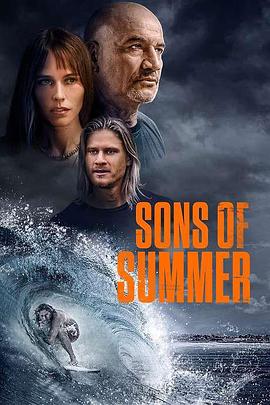
◎9.7▶夏日之子
四个冲浪儿子计划在一个海滨小镇举办一场“冲浪”活动,纪念他们三十年前被谋杀的父亲。但有些公路旅行却是令人垂涎欲滴。
 ◎5.2▶
◎5.2▶莲开一夏
影片《莲开一夏》讲述了农业大学毕业生何花,放弃省城优越工作,回到家乡莲花村当了一名村官,用真诚和智慧,带领村民脱贫致富。
 ◎6.6▶
◎6.6▶九色鹿王·前尘
讲述了欢宜寨突然怪病横行,守山人长生携手小伙伴小藜 寻找药草,而半路遇到大月国王子延颐为了阻止妖后 和反派索命雕,踏上了寻找九色鹿王的道路。途中偶遇的村民山球到底是正义一方还是邪恶势力?三人组能否顺利找到九色鹿王?
 ◎8.8▶
◎8.8▶北京爱上你
讲述上世纪90年代,香港厨师阿盛只身来到北京,从最早一批涉外酒店的西餐厅主厨,到国内最早的日式快餐掌门人,最后开创驰名京城的港式茶餐品牌的传奇故事。
 ◎7.4▶
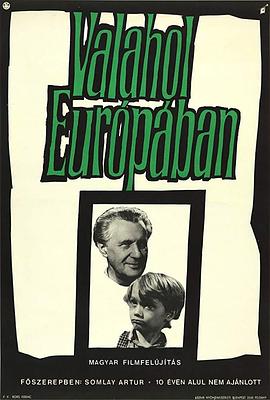
◎7.4▶欧洲的某个地方
Somewhere in the remote region, the war ends. In the midst of ruined cities and houses in the streets, in rural hamlets, everywhere where people still live, are children who have lost their homes and parents. Abandoned, hungry, and in rags, defenseless and humiliated, they wander through the world. Hunger drives them. Little streams of orphans merge into a river which rushes forward and submerges everything in its path. The children do not know any feeling; they know only the world of their enemies. They fight, steal, struggle for a mouthful of food, and violence is merely a means to get it. A gang led by Cahoun finds a refuge in an abandoned castle and encounters an old composer who has voluntarily retired into solitude from a world of hatred, treason, and crime. How can they find a common ground, how can they become mutual friends The castle becomes their hiding place but possibly it will also be their first home which they may organize and must defend. But even for this, the price will be very high. To this simple story, the journalist, writer, poet, scriptwriter, movie director, and film theoretician Béla Balázs applied many years of experience. He and the director Géza Radványi created a work which opened a new postwar chapter in Hungarian film. Surprisingly, this film has not lost any of its impact over the years, especially on a profound philosophical level. That is to say, it is not merely a movie about war; it is not important in what location and in what period of time it takes place. It is a story outside of time about the joyless fate of children who pay dearly for the cruel war games of adults. At the time it was premiered, the movie was enthusiastically received by the critics. The main roles were taken by streetwise boys of a children's group who created their roles improvisationally in close contact with a few professional actors, and in the children's acting their own fresh experience of war's turmoil appears to be reflected. At the same time, their performance fits admirably into the mosaic of a very complex movie language. Balázs's influence revealed itself, above all, in the introductory sequences an air raid on an amusement park, seen in a montage of dramatic situations evoking the last spasms of war, where, undoubtedly, we discern the influence of classical Soviet cinematography. Shooting, the boy's escape, the locomotive's wheels, the shadows of soldiers with submachine guns, the sound of a whistle—the images are linked together in abrupt sequences in which varying shots and expressive sharp sounds are emphasized. A perfectly planned screenplay avoided all elements of sentimentality, time-worn stereotypes of wronged children, romanticism and cheap simplification. The authors succeeded in bridging the perilous dramatic abyss of the metamorphosis of a children's community. Their telling of the story (the scene of pillaging, the assault on the castle, etc) independently introduced some neorealist elements which, at that time, were being propagated in Italy by De Sica, Rossellini, and other film artists. The rebukes of contemporary critics, who called attention to formalism for its own sake have been forgotten. The masterly art of cameraman Barnabás Hegyi gives vitality to the poetic images. His angle shots of the children, his composition of scenes in the castle interior, are a living document of the times, and underline the atmosphere and the characters of the protagonists. The success of the picture was also enhanced by the musical art of composer Dénes Buday who, in tense situations, inserted the theme of the Marseilaise into the movie's structure, as a motive of community unification, as an expression of friendship and the possibility of understanding. Valahol Europaban is the first significant postwar Hungarian film. It originated in a relaxed atmosphere, replete with joy and euphoria, and it includes these elements in order to demonstrate the strength of humanism, tolerance, and friendship. It represents a general condemnation of war anywhere in the world, in any form.
 ◎8.4▶
◎8.4▶危情电话
午夜,心理学研究生沈君兰(陈美行饰)独自在家,突接到一个诡异的电话,对方沙哑的嗓音告诉她一个难以接受的事实,当她决定找男朋友胡飞(喻鸿饰)帮助时,却发生了一系列的匪夷所思的事情,从而陷入生死困境……
 ◎4.5▶
◎4.5▶小透明黛兮
该片通过叙述了大一新生黛兮从小透明成长为一个独立女性的过程,表现了现代女性对自我的认知以及勇于追求梦想的精神。 故事讲述了没有什么存在感的黛兮,因为喜欢上一个优秀的男生,想变得一样优秀,不断找到自己的梦想,学会抓住自己的幸福的过程,揭示了爱情是建立在三观相符的基础上,同样需要一个学习过程,只有自己成长为一个独立阳光的人,才不会依附于爱情关系本身,这样的关系才是最健康的。 鼓舞了女孩为了自己的梦想而努力,成为一个优秀的人,爱情是自然而然的结果。 弘扬了好的爱情会相互促进,使彼此成为更好的人的核心爱情观。