内容简介
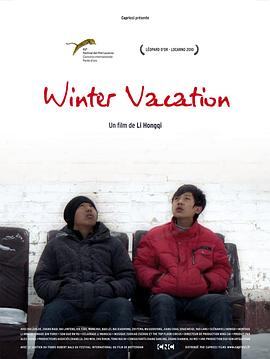
故事梗概 中国北方,冬天,内蒙古的一个小镇,九个少年,两个儿童,一群隐隐约约的成年人。这些无所事事的人,生活在那个沉闷的,似乎什么也不会发生的地方,最后,果然什么也没有发生。 导演阐述 如果把拍电影比喻成下棋,大多数人在做的是如何把每一步棋走得比别人高明,而我想做的是把棋子下到棋盘的外面。 导演简介 李红旗,1976年生于山东,1995年毕业于山东滨州教育学院美术系,1999年结业于中央美术学院油画系。1999年开始发表、出版小说及诗歌作品,代表作有长篇小说《幸运儿》、《我感到浑身有使不完的劲》,诗集《临床经验》。 2004年导演剧情片处女作《好多大米》,获58届瑞士洛迦诺国际电影节NETPAC奖。2008年完成第二部剧情片《黄金周》,获第52届伦敦电影节国际影评人奖提名。2010年完成第三部剧情片《寒假》,获第63届洛迦诺电影节金豹奖、国际影评人奖、基督教联盟特别奖。 参展电影节 ★洛迦诺电影节(世界首映) 获金豹奖、国际影评人奖、基督教联盟特别奖 ★首尔数字电影节 获红变色龙奖 闭幕片 ★北京独立影展 开幕片 ★温哥华国际电影节“Brad Birarda and Rob Sali奖”提名影片
相关推荐
 ◎9.1▶
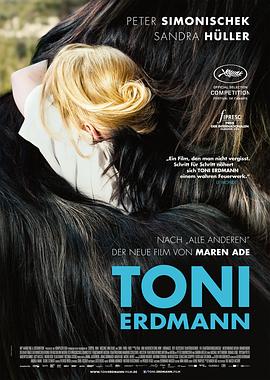
◎9.1▶托尼·厄德曼
Inès在一家位于布加勒斯特的德国大型企业工作。她的生活一直井然有序,直到她的父亲Winfried突然造访,并向她提出了这个问题:“你幸福吗?”面对这个根本无法回答的问题,她的生活开始出现一系列翻天覆地的变化。她并不喜欢自己的父亲,甚至有点以他为耻,但他却通过捏造一个名叫Toni Erdmann的诙谐人物,试图为她的生活找到一个方向。
 ◎6.1▶
◎6.1▶大清王爷爱上我
万历三十七年舒尔哈齐长子阿尔通阿被伯父努尔哈赤下令诛杀,阿尔通阿贝勒带着未婚妻冲出重围,未婚妻却被追兵所杀,临死前将龙眼石交给阿尔通阿,身负重伤的阿尔通阿带着龙眼石逃到江南沦为乞丐,在山洞疗伤期间山洞坍塌,被封的山洞中空气里含有大量氯丙嗪以致阿通昏睡四百年,四百年后今天的人们炸山开矿惊醒了沉睡四百年的阿尔通阿,阿尔通阿在矿场遇到了跟自己未婚妻长的一模一样的矿场老板陈清华,陈清华因喜欢龙眼石便将他和龙眼石一起带回家。竞争公司的老板吴良得知陈清华得到一颗不凡的宝石遂派手下盗取龙眼石,岂料刚刚得到龙眼石的吴良就暴病身亡,其子吴发发接管蓝重公司,吴发发认为吴良的死跟龙眼石有关,便带着父亲的结拜兄弟孙龙
 ◎7.1▶
◎7.1▶来自太空的小精灵
三亚荒漠,张嘉辉参加摩托车越野赛获得冠军。回程途中,张嘉辉搭救娜娜,将娜娜带回市中心。原来娜娜来自外星,她从里面发现地球上有男人的存在,于是只身来到地球寻找如意郎君。在地球娜娜经历了无数坎坷才发现
 ◎9.9▶
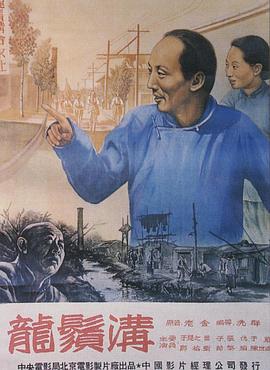
◎9.9▶龙须沟1952
解放前的老北京城,天桥东边有一条臭水沟——龙须沟。生活在最底层的穷苦劳动人民沿着臭水沟两岸安家落户,这群被剥夺了尊严的人们在迫害、屈辱、疾病和死亡的夹逼中艰难求生。百姓们喝不上自来水,只能饮井里的苦水,上趟厕所还得跑半里地。每当雨季到来,臭水沟的水高涨泛滥,进入贫民的家中,臭不可闻,苦不堪言。被人喊成“疯子”的老艺人程宝庆(于是之 饰)落魄愤懑,他依靠老婆程娘子(于蓝 饰)卖香烟度日,最喜欢丁家那个灵巧可爱的姑娘小妞子。非人的旧社会,让人看不到未来的希望。转眼迎来了解放,龙须沟的百姓总算迎来翻身做主人的新天地…… 本片根据老舍创作的同名话剧改编。
 ◎6.2▶
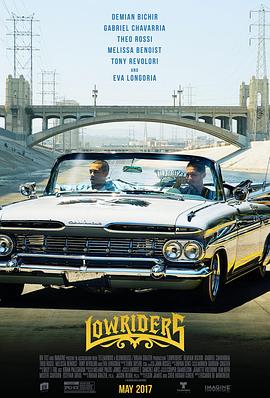
◎6.2▶跳跳车
在第二次世界大战后的岁月里,洛杉矶的墨西哥裔美国人社区发展了低调文化。在加利福尼亚州通过了一项法律之后,司机通过液压改装将汽车车身低于其轮圈,具有调整底盘高度的能力。其绘画设计也非常具有个性,主要表现西班牙文化。影片就根据这一情况讲述了洛杉矶街头艺术家与其沉迷于跳跳车文化的家人之间所发生的故事。Danny(加布里埃尔·查瓦里亚 饰)是一名墨西哥街头艺术家,他与家人共同居住在东洛杉矶,Danny利用他的涂鸦技能,作画于跳跳车引擎罩,帮助他的兄弟参加即将到来的乐土公园跳跳车大赛。
 ◎9.6▶
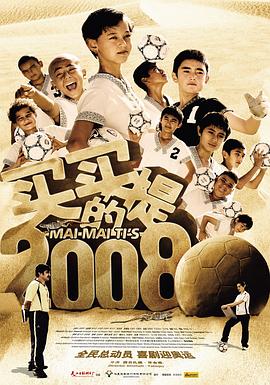
◎9.6▶买买提的2008
沙尾村是塔克拉玛十沙漠边缘的村落,由于自然环境的变化,沙尾村面临着日益严峻的生存挑战。但就在这样一个偏远村庄,村民们有着一个共同的爱好,那就是足球。这里的孩子常年在金色的胡杨林中,绵延起伏的沙丘里踢球,个个练出了一幅铁脚板和好身手,村里的男女老少都把足球当成了生活中的快乐和毫无功利性的运动,这样一个快乐的村庄却由于一个叫买买提的人的到来打破了平静。 买买提是县里的小干部,一次偶然的原因误打误撞,被下派到了沙尾村,极不情愿也不安心的买买提为了早出成绩,调回县城,看中了沙尾村孩子们的足球天赋,为了组织足球队,买买提创造出了一个善意的弥天大谎,声称如果沙尾村的足球队能够在地区夺得冠军,这些孩子就会去参加2008年北京奥运会的开幕式。买买提不负责任的戏言引起了轩然大波,一个美丽的谎言,点燃了沙尾村男女老少的奥运会憧憬,全村人为实现孩子的奥运梦而动员起来,欲罢不能。买买提将错就错只好走上了带领沙尾村梦想足球队冲击地区冠军的道路。
 ◎3.7▶
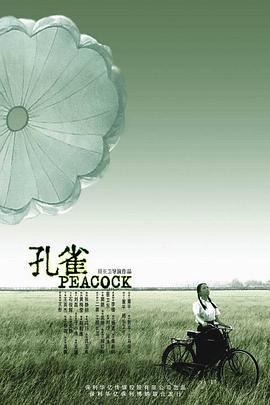
◎3.7▶孔雀
上世纪七八十年代的河南古城安阳,某个五口之家的姐姐(张静初)、哥哥(冯瓅)和弟弟(吕玉来)在社会剧烈转型时期,踏上不同的人生之路。 姐姐二十出头,虽看起来清瘦文静,内心却刚烈执拗,为实现梦想可以将自己豁出,无奈现实无情,经过多次挫败后她学会听天由命;哥哥二十三四岁,因小时得病落下轻微脑疾,父母对他的关爱皆多一层,经人介绍与精明的跛脚姑娘结婚后,他过上自己很满意的日子;弟弟十七八岁,敏感、忧郁,内心世界过于丰富,因为某件事被父亲赶出家门后,开始在外面找寻属于自己的生活,然而所获只是时间将其改造得面目全非。
 ◎10▶
◎10▶我和我的祖国
七位导演分别取材新中国成立70周年以来,祖国经历的无数个历史性经典瞬间。讲述普通人与国家之间息息相关密不可分的动人故事。聚焦大时代大事件下,小人物和国家之间,看似遥远实则密切的关联,唤醒全球华人共同回忆。
 ◎3▶
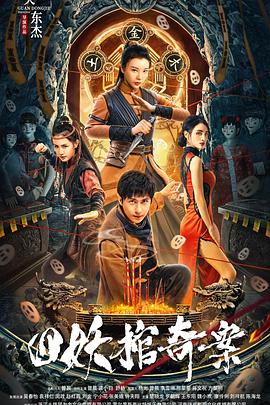
◎3▶四妖棺奇案
《四妖棺奇案》讲述了一个发生在民国偏远小县城的故事:县城女捕快三更、七喜奉命对命案进行深入调查,却逐渐查出蹊跷命案。案件更是引出一段关于二十年前陈年旧恨。层层抽丝剥茧下案情却愈发扑朔迷离,原本宁静祥和的小县城,如今已被一层怪力乱神造就的恐怖气息所笼罩……
 ◎4.6▶
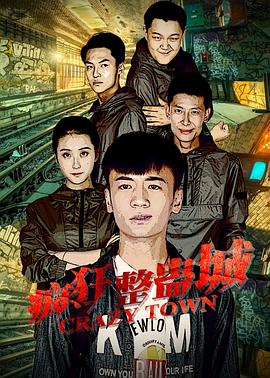
◎4.6▶疯狂整蛊城
王子乐从南方来到北方的一座小城T市,打算给认识5年的网友杨璐一个惊喜。谁知在T市碰到黑心老板被骗,幸好几个神秘黑衣人帮助他解决了此事,临别前给了他一张“有求必应”的公司名片。王子乐联系不到杨璐,在陌生的城市中走投无路,只好根据名片找到了“有求必应”公司并在此打工。通过学习,王子乐和有求必应一起惩奸除恶,帮助那些需要帮助的人。一次行动中,他发现了杨璐的失踪并没有那么简单,背后还隐藏着一个巨大的秘密。
 ◎4.7▶
◎4.7▶锅盖头
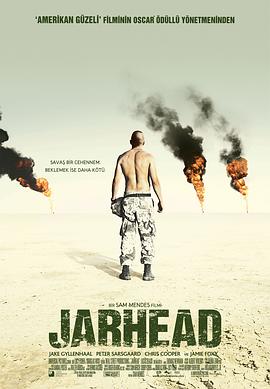
20世纪90年代初,中东战火一触即发,著名的“沙漠风暴”正在酝酿之中。20岁的小伙子安东尼·斯沃福德(杰克·吉伦哈尔 Jake Gyllenhaal 饰)出身于军人世家,他的祖父父亲、叔父是历次战场上走下来的英雄。安东尼从小耳濡目染,立志成为一名在战场上立下莫大功勋的光荣军人。经过无数残酷训练,他终于被派往海军陆战队第七陆战远征旅第二营,正式投身中东战场。安东尼踌躇满志,却发现战争的残酷远远出乎他的意料。在此期间,家乡的女友不忠出轨,恐惧、空虚、压抑则时刻折磨他的神经,战争的真正意义更令他陷入沉思与矛盾之中…… 本片根据前美国海军陆战队队员安东尼·斯沃福德(Anthony Swofford)2003年的畅销书改编,并荣获2005年圣地亚哥影评人协会特别奖。
 ◎7.4▶
◎7.4▶欧洲的某个地方
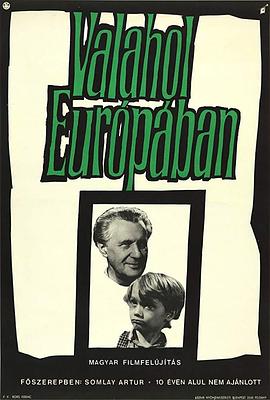
Somewhere in the remote region, the war ends. In the midst of ruined cities and houses in the streets, in rural hamlets, everywhere where people still live, are children who have lost their homes and parents. Abandoned, hungry, and in rags, defenseless and humiliated, they wander through the world. Hunger drives them. Little streams of orphans merge into a river which rushes forward and submerges everything in its path. The children do not know any feeling; they know only the world of their enemies. They fight, steal, struggle for a mouthful of food, and violence is merely a means to get it. A gang led by Cahoun finds a refuge in an abandoned castle and encounters an old composer who has voluntarily retired into solitude from a world of hatred, treason, and crime. How can they find a common ground, how can they become mutual friends The castle becomes their hiding place but possibly it will also be their first home which they may organize and must defend. But even for this, the price will be very high. To this simple story, the journalist, writer, poet, scriptwriter, movie director, and film theoretician Béla Balázs applied many years of experience. He and the director Géza Radványi created a work which opened a new postwar chapter in Hungarian film. Surprisingly, this film has not lost any of its impact over the years, especially on a profound philosophical level. That is to say, it is not merely a movie about war; it is not important in what location and in what period of time it takes place. It is a story outside of time about the joyless fate of children who pay dearly for the cruel war games of adults. At the time it was premiered, the movie was enthusiastically received by the critics. The main roles were taken by streetwise boys of a children's group who created their roles improvisationally in close contact with a few professional actors, and in the children's acting their own fresh experience of war's turmoil appears to be reflected. At the same time, their performance fits admirably into the mosaic of a very complex movie language. Balázs's influence revealed itself, above all, in the introductory sequences an air raid on an amusement park, seen in a montage of dramatic situations evoking the last spasms of war, where, undoubtedly, we discern the influence of classical Soviet cinematography. Shooting, the boy's escape, the locomotive's wheels, the shadows of soldiers with submachine guns, the sound of a whistle—the images are linked together in abrupt sequences in which varying shots and expressive sharp sounds are emphasized. A perfectly planned screenplay avoided all elements of sentimentality, time-worn stereotypes of wronged children, romanticism and cheap simplification. The authors succeeded in bridging the perilous dramatic abyss of the metamorphosis of a children's community. Their telling of the story (the scene of pillaging, the assault on the castle, etc) independently introduced some neorealist elements which, at that time, were being propagated in Italy by De Sica, Rossellini, and other film artists. The rebukes of contemporary critics, who called attention to formalism for its own sake have been forgotten. The masterly art of cameraman Barnabás Hegyi gives vitality to the poetic images. His angle shots of the children, his composition of scenes in the castle interior, are a living document of the times, and underline the atmosphere and the characters of the protagonists. The success of the picture was also enhanced by the musical art of composer Dénes Buday who, in tense situations, inserted the theme of the Marseilaise into the movie's structure, as a motive of community unification, as an expression of friendship and the possibility of understanding. Valahol Europaban is the first significant postwar Hungarian film. It originated in a relaxed atmosphere, replete with joy and euphoria, and it includes these elements in order to demonstrate the strength of humanism, tolerance, and friendship. It represents a general condemnation of war anywhere in the world, in any form.