点击播放《危情拯救》
高清线路正在播放
危情拯救
沈云山的儿子小君在街上偶然救了一个贵妇的小女儿,自己却突发心脏病,医生说需要高昂的手术费,沈云山只是一个看停尸房的小警察无力承担,无奈之下,他想向那个贵妇求助,却最终没有说出口,突然,他接到一封信,一个男人约他见面,让他去杀一个人就给他一笔钱,沈云山决定铤而走险,他歪打误撞地杀死那个人,买凶的人却从此消失了,沈云山发现,他所杀的正是那个贵妇的丈夫,从此沈云山掉进了一个阴谋的漩涡。
导演:暂无 主演:吴静一/李肖宁/赵家林/徐帅
相关推荐
 ◎9.3▶
◎9.3▶小片快跑
新婚燕尔的Vicky和Vidya发现他们的亲密视频光碟被偷了,在寻找的过程中发生了各种意料之外、啼笑皆非的闹剧。
 ◎9.1▶
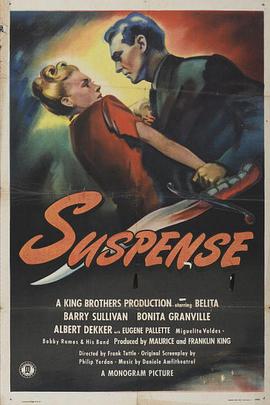
◎9.1▶悬念
The proprietor of an ice-skating revue promotes a peanut-vendor at the show to a management position based on suggestions he made to improve the act of the show's star, who also happens to be the owner's wife. However, he soon begins to notice that his new manager is paying more attention to his wife than he believes is appropriate, and begins to suspect that his new manager has designs not only on his wife but on his business. Meanwhile, someone from the new manager's past shows up with information that could wreck his plans.
 ◎7▶
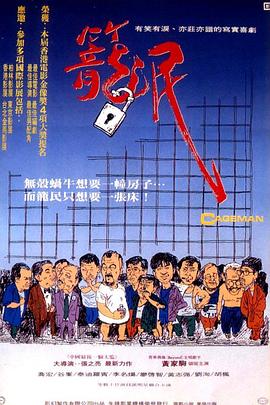
◎7▶笼民
香港寸土寸金,一些底层民众无楼可住,只得栖聚于危楼屋舍之中的床位。这些老弱病残分别用铁丝网相互隔开,被称为笼民。其中,祖先生(乔宏 饰)的智障儿子(廖启智 饰)终日嬉戏耍闹。唐三(泰迪罗宾 饰)是占小便宜的货色,而且尖牙利齿嘴不饶人。老人在笼中度过百岁寿辰,一直贩卖杂货维持生计,还有算命先生整天念念有词于事无补。此地发生命案,警察前来调查,却始终无法改变困境。这时,古惑仔毛仔(黄家驹 饰)从狱中放出,无视CID老爸的责骂,而与昔日死党重新混在一起,并住进了笼中。这时,公寓管理人员说接到业主收回楼宇的信函,希望各位租住户可以搬出,引起群情激愤。笼民开始向正在竞选的徐、周两位议员申诉,而后者为了收买人心,都作出了体察民情的样子。暗地里,徐议员与业主勾结,用重金收买毛仔,骗得了笼民自愿搬出的签名…… 本片获得第22届香港电影金像奖最佳影片,最佳编剧。张之亮获得最佳导演,乔宏获最佳男配角奖。
 ◎4.9▶
◎4.9▶沙罗
影片根据真实事件改编,讲述了发生在男孩Shilo Gibson身上的故事。1965年9月17日,原本是一个宁静的夜晚,而Shilo的父亲回到家里,与往常一样喝的烂醉,并对Shilo拳脚相加,而那时他还只是一个孩子,在好心邻居的帮助下,Shilo得到了帮助。二十二年后,Shilo已经长成一个健康的年轻人,庆幸的是,他并没有受到父亲的影响而变得懦弱,相反,他勇敢而勤劳,可是在他的心中仍有一块石头,他必须继续成长,使自己得到真正的救赎。
 ◎3.4▶
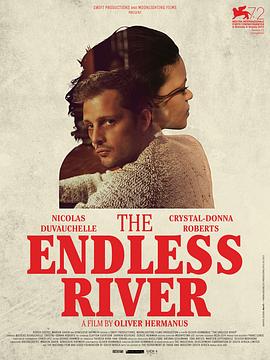
◎3.4▶无尽之河
年轻的服务员欢迎他的丈夫回到南非小镇的家中,丈夫在狱中呆了四年。最初他打算重新开始,可一桩杀人事件把他重新卷入暴力之中……
 ◎8.7▶
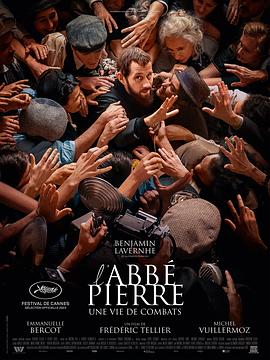
◎8.7▶斗争人生
亨利·格鲁埃出生在一个资产阶级家庭,是一名抵抗运动战士、议员、无家可归者的捍卫者、革命家和偶像破坏者。从国民议会的长椅到巴黎郊区的棚户区,他坚持为最弱势群体的奔走呼号,这为他赢得了国际声誉。亨利·格鲁埃对贫穷、不平等和不公正感到愤怒,他经常受到攻讦,有时还遭遇背叛。他在历史上留下了自己的名字:皮埃尔神父。
 ◎4.6▶
◎4.6▶二狗进城
李二狗自小修习祖传武术疯狗拳,身手了得。因自小在山村长大,特别向往城市的灯红酒绿,又遇其父李老狗逼婚,一怒之下骑着毛驴窜出家门,在城市里遇到心地善良的业务员于涵、黑心好色的企业家周大龙和雇人捉奸的酒吧老板杜鹃等之间发生的一系列爆笑感人的喜剧故事,有喜有情有泪。
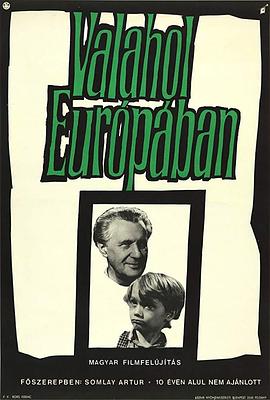 ◎7.4▶
◎7.4▶欧洲的某个地方
Somewhere in the remote region, the war ends. In the midst of ruined cities and houses in the streets, in rural hamlets, everywhere where people still live, are children who have lost their homes and parents. Abandoned, hungry, and in rags, defenseless and humiliated, they wander through the world. Hunger drives them. Little streams of orphans merge into a river which rushes forward and submerges everything in its path. The children do not know any feeling; they know only the world of their enemies. They fight, steal, struggle for a mouthful of food, and violence is merely a means to get it. A gang led by Cahoun finds a refuge in an abandoned castle and encounters an old composer who has voluntarily retired into solitude from a world of hatred, treason, and crime. How can they find a common ground, how can they become mutual friends The castle becomes their hiding place but possibly it will also be their first home which they may organize and must defend. But even for this, the price will be very high. To this simple story, the journalist, writer, poet, scriptwriter, movie director, and film theoretician Béla Balázs applied many years of experience. He and the director Géza Radványi created a work which opened a new postwar chapter in Hungarian film. Surprisingly, this film has not lost any of its impact over the years, especially on a profound philosophical level. That is to say, it is not merely a movie about war; it is not important in what location and in what period of time it takes place. It is a story outside of time about the joyless fate of children who pay dearly for the cruel war games of adults. At the time it was premiered, the movie was enthusiastically received by the critics. The main roles were taken by streetwise boys of a children's group who created their roles improvisationally in close contact with a few professional actors, and in the children's acting their own fresh experience of war's turmoil appears to be reflected. At the same time, their performance fits admirably into the mosaic of a very complex movie language. Balázs's influence revealed itself, above all, in the introductory sequences an air raid on an amusement park, seen in a montage of dramatic situations evoking the last spasms of war, where, undoubtedly, we discern the influence of classical Soviet cinematography. Shooting, the boy's escape, the locomotive's wheels, the shadows of soldiers with submachine guns, the sound of a whistle—the images are linked together in abrupt sequences in which varying shots and expressive sharp sounds are emphasized. A perfectly planned screenplay avoided all elements of sentimentality, time-worn stereotypes of wronged children, romanticism and cheap simplification. The authors succeeded in bridging the perilous dramatic abyss of the metamorphosis of a children's community. Their telling of the story (the scene of pillaging, the assault on the castle, etc) independently introduced some neorealist elements which, at that time, were being propagated in Italy by De Sica, Rossellini, and other film artists. The rebukes of contemporary critics, who called attention to formalism for its own sake have been forgotten. The masterly art of cameraman Barnabás Hegyi gives vitality to the poetic images. His angle shots of the children, his composition of scenes in the castle interior, are a living document of the times, and underline the atmosphere and the characters of the protagonists. The success of the picture was also enhanced by the musical art of composer Dénes Buday who, in tense situations, inserted the theme of the Marseilaise into the movie's structure, as a motive of community unification, as an expression of friendship and the possibility of understanding. Valahol Europaban is the first significant postwar Hungarian film. It originated in a relaxed atmosphere, replete with joy and euphoria, and it includes these elements in order to demonstrate the strength of humanism, tolerance, and friendship. It represents a general condemnation of war anywhere in the world, in any form.
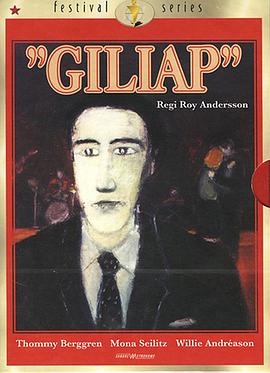 ◎3.5▶
◎3.5▶羁旅情愫
一个漂泊各地的男人来到一所旅馆当服务生,在这里他结识了美丽的女服务员Anna和性格古怪的刷盘工Gustav。Anna和Gustav有私情但非出于她自愿。Gustav潜藏着可怕的犯罪欲望,他给新来的这个服务生起名叫Giliap并教唆他帮助实施自己的一个劫囚计划。Anna爱上了Giliap并希望同他私奔但被Giliap拒绝。一天,Anna突然不告而别... 瑞典著名导演罗伊·安德森(《二楼传来的歌声》《你还活着》)曾因此片票房与评论均惨败而25年未再导演长片。罗伊·安德森承认此片有缺陷,原因是他没有得到对影片的足够掌控权;同时他也表示,以当时观众的欣赏能力并不能接受这样一部稍显前卫的影片,一部与他的首部长片《纯爱故事》风格迥异的古怪影片。他还认为此片与随后上映的库布里克的《巴里·林登》一样出色。而以如今的眼光来看,这部片子作为cult类型便很容易让人接受。 瑞典1996年的电视剧集《佩西·塔拉》中有一段评价瑞典电影的情节,片中人物认为伯格曼的《芬妮与亚历山大》十分平庸,而罗伊·安德森的《Giliap》才是过去25年里瑞典电影的唯一杰作。
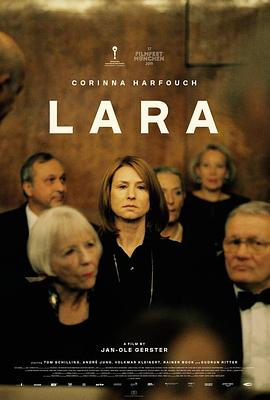 ◎4.9▶
◎4.9▶错会半生
拉娜(科琳娜·哈弗奇 Corinna Harfouch 饰)是一位拥有杰出天赋的天才钢琴手,在这一领域里有着无量的前途,然而,为了爱情,拉娜放弃了自己的事业,选择金盆洗手在家安心的相夫教子。本以为自己的牺牲能够换来丈夫的感激,但一切似乎并没有像拉娜所想像的那样发展下去,丈夫的离去,儿子的疏远,都将拉娜一步一步的推向了人生的深渊之中。 拉娜的儿子维特(汤姆·希林 Tom Schilling 饰)同样也是一名杰出的钢琴家,在拉娜六十岁那年,她震惊的发现,儿子竟然没有邀请她去参加自己的首场钢琴独奏会,更离谱的是,维特邀请了父亲和父亲的现任女友。
 ◎9.2▶
◎9.2▶孤筏求生三十日
影片根据真实故事改编。1942年,二战正酣。1月16日,三名彼此陌生的士兵,加瑞特·迪拉胡特(《为奴十二年》《环形使者》)饰演的飞行员,费尔顿饰演的投弹手,以及杰克·阿贝尔(《波西·杰克逊与神火之盗 》)饰演的无线电通讯员,驾驶美国海军的一架飞机,出发执行侦察任务。 飞机燃油耗尽,不得不在南太平洋上迫降。三人没有食物,没有水,没有任何补给,只有一艘4英尺宽,8英尺长的黄色救生筏,让他们在危机四伏的海面上漂流。他们必须互相扶持,战胜饥饿、风暴和鲨鱼袭击,想办法让救生筏驶向安全的陆地。
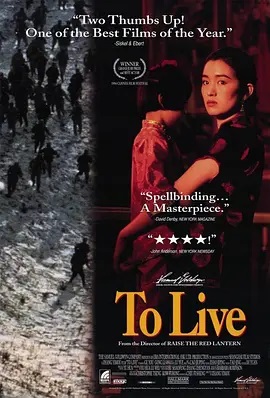 ◎6.1▶
◎6.1▶活着
根据余华同名小说改编。 富少福贵(葛优)嗜赌成性,妻子家珍(巩俐)屡劝无果后带着女儿凤霞离开了他,当夜,福贵输光所有家产气死父亲,被迫靠变卖母亲首饰租间破屋过活。一年后,家珍手拉凤霞怀抱刚出世的儿子有庆回到家中,福贵痛改前非,开始靠演皮影戏过起安份守己的日子。 但好景不常,内战时期,福贵被国民党抓去当劳工,一番辗转终回到家乡与一家人团圆后,凤霞因病变成哑巴,而在后来的大跃进运动和文化大革命中,他虽获某些小福,逆境却也一直与他如影相随。
 ◎--▶
◎--▶缘财天降
一念真心,财暖人间
 ◎--▶
◎--▶不存在的罪人
当红小说家维瑞蒂(安妮·海瑟薇 饰)因故无法写作,落魄作家洛温(达科塔·约翰逊 饰)接受了为她代笔的工作。然而在整理资料时,洛温发现了一份深藏秘密的自传手稿,记录着维瑞蒂丈夫杰里米(乔什·哈奈特 饰)那些扭曲骇人的“告白”。洛温自此陷入爱情、谎言与欲望的拉扯中,难分现实与虚构世界,她该如何看清真相? 影片改编自柯琳·胡佛的同名畅销小说。
 ◎--▶
◎--▶储物柜2025
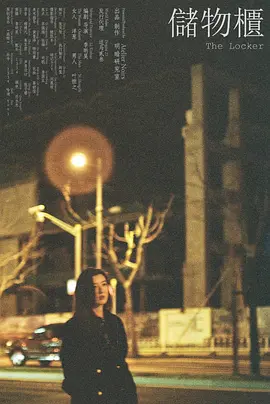
疫情后的上海,人们的生活方式已经永久地发生了改变,一对男女也在漫长的朝夕相处中感 受到疲惫。凌晨时分,缠绵过后,女人给了男人一把钥匙和位于另一座城市的储物柜的地 址,男人不知道等待在这段深夜旅途的前方是什么,而女人仿佛也有自己的计划...
 ◎--▶
◎--▶我的心愿
暂无简介,敬请期待
 ◎--▶
◎--▶灵魂摆渡·公主梦
蝴蝶谷的执念、昏睡小镇的秘密、跨越凡尘与神界的纠葛,一切因果,终将在这里收束。静候君临。
 ◎--▶
◎--▶金钱世界普通话
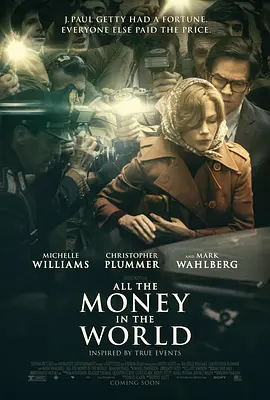
电影《金钱世界》改编自一起曾轰动世界的豪门绑架事件:世界首富保罗·盖蒂(克里斯托弗·普卢默 饰)之孙遭遇黑帮绑架,绑匪向其母盖尔(米歇尔·威廉姆斯 饰)索要1700万美元赎金,已经与丈夫离婚的盖尔无力支付这笔高昂的赎金,只能向盖蒂家族求救,但富可敌国却无比吝啬的老盖蒂却拒绝为孙子(查理·普拉默 饰)支付赎金,拿不到钱的绑匪丧心病狂的割下了人质的耳朵邮寄给盖蒂家族,心碎的盖尔在前CIA特工弗莱彻·蔡斯(马克·沃尔伯格 饰)的协助下,试图撼动这一僵局,解救自己的儿子……