点击播放《大男孩亨利》
高清线路正在播放
大男孩亨利
害羞的小男孩亨利,從小在孤兒院長大。修女發現他很會修理電泡,於是告訴他『上帝賜予你的天賦,就是為眾生帶來光明』。十九年來,亨利都在孤兒院負責修繕的工作,直到有一天,孤兒院經營不善,亨利被迫離開孤兒院,他遵循上帝的各種『指引』,來到一家電器行,找到一份修理燈泡的工作。 亨利被派到一間豪宅修理燈泡,卻發現豪宅的主人曾是鼎鼎有名的醃黃瓜大亨,現在卻因為失智而孤苦無依。亨利被派到戲院,負責修理招牌上的霓虹燈,情竇初開的亨利對售票小姐海倫一見鍾情,海倫有著一雙水汪汪的大眼睛,事實上卻是盲人,就算亨利為她修好了每一盞燈,海倫仍是伸手不見五指。 亨利、海倫與黃瓜大亨之間究竟有什麼奇妙的關係呢?彷彿神燈精靈施展了魔法一般,這是一個Happy Ending 的故事,亨利能為全世界帶來光明,包括他最心愛的海倫…
导演:Martin Talbot 主演:索菲·德马雷/MarcelSabourin/维克多·安德雷斯·特根-特雷莱斯/JeanPierreBergeron/MoniqueSpaziani/PierreCollin
相关推荐
 ◎6.1▶
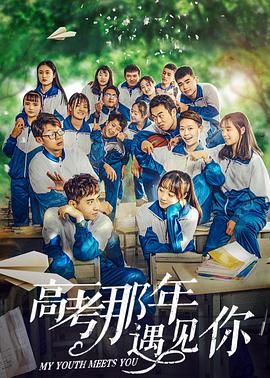
高考那年遇见你
高考将至,班主任将学渣范世宇交给学霸陈怡然辅导,开始两人水火不容,上演了一幕幕生猛搞笑的青春趣事,两个欢喜冤家在相处的过程中渐渐有了心动。可是一个两人亲密相处的匿名视频把他们推到了风口浪尖。两人私下约定一定要考到同一所大学,范世宇也因此拼尽全力学习。高考临近,两人都在为了约定而努力。眼看就要成功,可是就在考试那天的路上,范世宇发生了意外......@moxia.cc
 ◎8.8▶
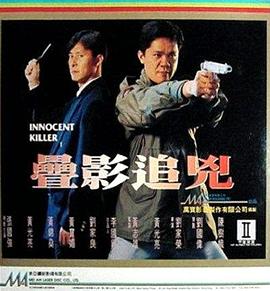
谍影追凶
城中发生一宗谋杀案,案中死者为一名精神科医生,警方估计杀人的动机,是有人想隐藏一些事实。即将结婚的Mike(张国强 饰),是一名年青干探,他接手调查此命案。但在追查过程中发现自己竟与命案扯上关系,而他的副手阿德(黄光亮 饰)亦在多位证人口供上认定凶手是Mike,在百思不解的案情里,究竟凶手是谁... ...
 ◎8.6▶
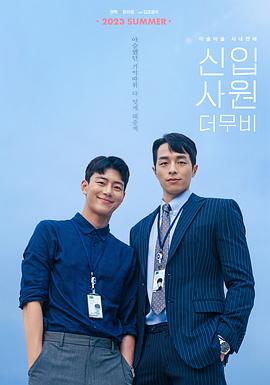
新进职员:电影版
還記得金趙光壽這個名字?這位韓國同志電影大導繼《同一天台上》(2021) 和《兩個婚禮一個葬禮》(2012) 之後,以《大叔的愛》的韓國oppa 版再度征服香港一眾腐女腐男!這套 《職場新仔》男男戀電影改編自韓國人氣網絡小說和得獎網絡漫畫,講述大學畢業小鮮肉于盛賢(文志溶 飾)初出茅廬緊張工作表現,渴望取悅頂頭上司金鍾燦(權赫 飾),但上司要求嚴格,唯有更加努力博取青睞。精誠所至,金石為開,上司最後深受感動,並幫助他事業上扶搖直上。可是,二人真正想要的是事業還是男朋友?還是想兩者兼得?
 ◎3.8▶
车票
产房里,电视台女记者曾雨桐(左小青 饰)准备要采访孕妇吴静,虽然后者明知胎儿可能患有先天疾病,仍决定生产。这个决定令雨桐甚为不解,她认为这个决定对婴儿并不公平。产后,母子平安,消息传来,雨桐逐渐理解了这对夫妻。雨桐的男友志轩(吴奇隆 饰)是一家国际公司的经理,业务非常繁忙。他们都是孤儿,志轩先天父母双亡,而她是由曾嬷嬷(叶童 饰)抚养的孤儿。由于年迈劳累,嬷嬷生病住院,雨桐急忙打车去和男友汇合。她坐的出租车司机(范伟 饰)有一个患有自闭症的孩子,在父子对话中,雨桐陷入了回忆之中。在志轩的陪同下,雨桐见到了病卧在床的嬷嬷,并意外从她手中得到了两张车票。据嬷嬷推测,这就是雨桐生身父母当时留下的证据,雨桐于是跟志轩一同踏上了寻访亲人之路……
 ◎7.1▶
极速营救
少女思佳遭遇连环杀人犯迷晕后被绑架,醒来后的她发现自己被困汽车后备箱中,惊慌之下她急忙拨通了110,本以为有了一线生机的她却陷入各种危机之中。狡猾的嫌疑犯伪造车牌,并在逃跑途中残忍的杀害了好心司机和加油员,杀人如麻的恶魔本性彻底爆发出来,一切动向都指向思佳生命在死亡倒计时……另一边报警中心接到思佳的求救电话,曹岚立即与身处后备箱中的少女思佳展开营救连线,紧张简练的对话交流中,曹岚抽丝剥茧迅速分析出有用的破案信息,一场智慧与时间的赛跑、正义与邪恶的较量最终以思佳被顺利解救,罪犯落网而落下帷幕!
 ◎7.2▶
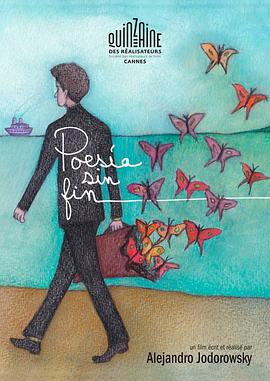
诗无尽头
本片是一部围绕智利裔墨西哥籍魔幻现实主义大师亚历桑德罗·佐杜洛夫斯基的传记片。主要讲述其在早年的创作之路。在片中,亚历桑德罗还与很多国内年轻有才但还未成名的年轻人见面交谈。
 ◎9.8▶
新龙门客栈之英雄觉醒
明朝中叶,宦官专政,民不聊生。 因一份神秘圣旨,东海将领周淮安护孤女曲灵来到龙门岛上的龙门客栈,等待中元节奉旨交人。 龙门客栈中,江湖际会,暗流涌动。东西两厂轮番上阵,掌柜金镶玉百般试探,刺客邱莫言从中搅局,周淮安深感此行目的愈发扑朔迷离。 中元节将至,龙门岛世代血咒惊现仙药之迷,东厂冯督主为谋得仙药杀害曲灵。 周淮安为家族荣耀顺从野心勃勃冯督主还是秉持内心正义奋起反抗 一场正义与邪恶的生死较量就此展开。
 ◎7.4▶
欧洲的某个地方
Somewhere in the remote region, the war ends. In the midst of ruined cities and houses in the streets, in rural hamlets, everywhere where people still live, are children who have lost their homes and parents. Abandoned, hungry, and in rags, defenseless and humiliated, they wander through the world. Hunger drives them. Little streams of orphans merge into a river which rushes forward and submerges everything in its path. The children do not know any feeling; they know only the world of their enemies. They fight, steal, struggle for a mouthful of food, and violence is merely a means to get it. A gang led by Cahoun finds a refuge in an abandoned castle and encounters an old composer who has voluntarily retired into solitude from a world of hatred, treason, and crime. How can they find a common ground, how can they become mutual friends The castle becomes their hiding place but possibly it will also be their first home which they may organize and must defend. But even for this, the price will be very high. To this simple story, the journalist, writer, poet, scriptwriter, movie director, and film theoretician Béla Balázs applied many years of experience. He and the director Géza Radványi created a work which opened a new postwar chapter in Hungarian film. Surprisingly, this film has not lost any of its impact over the years, especially on a profound philosophical level. That is to say, it is not merely a movie about war; it is not important in what location and in what period of time it takes place. It is a story outside of time about the joyless fate of children who pay dearly for the cruel war games of adults. At the time it was premiered, the movie was enthusiastically received by the critics. The main roles were taken by streetwise boys of a children's group who created their roles improvisationally in close contact with a few professional actors, and in the children's acting their own fresh experience of war's turmoil appears to be reflected. At the same time, their performance fits admirably into the mosaic of a very complex movie language. Balázs's influence revealed itself, above all, in the introductory sequences an air raid on an amusement park, seen in a montage of dramatic situations evoking the last spasms of war, where, undoubtedly, we discern the influence of classical Soviet cinematography. Shooting, the boy's escape, the locomotive's wheels, the shadows of soldiers with submachine guns, the sound of a whistle—the images are linked together in abrupt sequences in which varying shots and expressive sharp sounds are emphasized. A perfectly planned screenplay avoided all elements of sentimentality, time-worn stereotypes of wronged children, romanticism and cheap simplification. The authors succeeded in bridging the perilous dramatic abyss of the metamorphosis of a children's community. Their telling of the story (the scene of pillaging, the assault on the castle, etc) independently introduced some neorealist elements which, at that time, were being propagated in Italy by De Sica, Rossellini, and other film artists. The rebukes of contemporary critics, who called attention to formalism for its own sake have been forgotten. The masterly art of cameraman Barnabás Hegyi gives vitality to the poetic images. His angle shots of the children, his composition of scenes in the castle interior, are a living document of the times, and underline the atmosphere and the characters of the protagonists. The success of the picture was also enhanced by the musical art of composer Dénes Buday who, in tense situations, inserted the theme of the Marseilaise into the movie's structure, as a motive of community unification, as an expression of friendship and the possibility of understanding. Valahol Europaban is the first significant postwar Hungarian film. It originated in a relaxed atmosphere, replete with joy and euphoria, and it includes these elements in order to demonstrate the strength of humanism, tolerance, and friendship. It represents a general condemnation of war anywhere in the world, in any form.
 ◎4.5▶
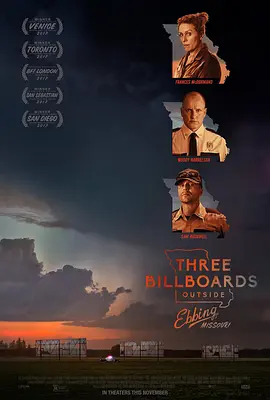
三块广告牌
米尔德雷德(弗兰西斯·麦克多蒙德 Frances McDormand 饰)的女儿在外出时惨遭奸杀,米尔德雷德和丈夫查理(约翰·哈克斯 John Hawkes 饰)之间的婚姻因此走到了尽头,如今,她同儿子罗比(卢卡斯·赫奇斯 Lucas Hedges饰)过着相依为命的生活。一晃眼几个月过去了,案件仍然没有告破预兆,而警方似乎早已经将注意力从案子上转移了开来。 被绝望和痛苦缠绕的米尔德雷德租下了高速公路边上的三块巨型广告牌,在上面控诉警方办案无能,并将矛头直接对准了警察局局长威洛比(伍迪·哈里森 Woody Harrelson 饰)。实际上,威洛比一直隐瞒着自己身患绝症命不久矣的事实。因为这三块广告牌,米尔德雷德和威洛比的生活发生了翻天覆地的变化。
 ◎8.8▶
梨园情恨
璎珞与师父初到京城搭班唱戏,遇到了大学生顾铭轩,两人一见钟情,私定终身。不久铭轩被抓回家。军阀混战开始,顾家逃难离京;师父也暴病身亡,璎珞孤身一人,挺着身孕,重返梨园。 一年后,璎珞遇到京城南区的帮派老大杨隆恩。杨同情璎珞,帮忙寻找顾家人。但此时的铭轩已被逼娶了另外的妻子。璎珞撕碎了结婚证明,成了杨夫人。 铭轩为振兴家业,不得不与杨的宿敌柳三爷合作,柳三爷借铭轩之手害死杨,万念俱灰的璎珞把孩子交给铭轩,决意与柳三爷玉石俱焚……
 ◎8.1▶
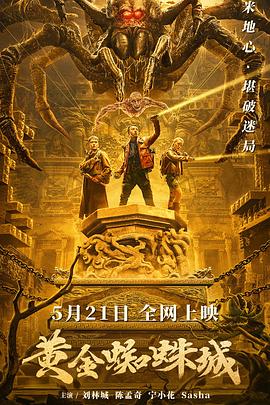
黄金蜘蛛城
故事讲述了思玛聪被泰国富商襄爷要挟前往野人山地下一万米处寻找黄金蜘蛛城的下落。在探险途中,思玛聪遇到了从墓室血丝圆棺中逃出的天才小伙八爷,两个天差地别的小青年,逐渐为了探索地底秘密而结盟,萌生出患难情谊。而此时,突然出现在地下的反派襄爷爆出八爷的真实身份竟然是思玛聪失踪多年的父亲思玛辉,地下黄金蜘蛛城也揭开了它来自外星文明的神秘面纱.....
 ◎5.6▶
夺命巨鲨
影片讲述在六位年轻男女遭遇鲨鱼攻击被困海上,在弹尽粮绝有没有救援的情况下艰难自救的故事。刘维、安琪、苏菲、李志辉、安杰和欧阳小敏几位好友驾驶私人游艇出海游玩。不料,游艇触礁在大海中央翻船,众人落海。同时,由于海洋环境的污染,导致了鲨鱼的基因突变,繁殖了一群巨型狂暴食人鲨鱼。一场人与鲨的生死博弈就此拉开序幕。
 ◎--▶
假面骑士Kabuto 20周年 天之继承者
最强假面骑士,再临! 那群男人,时隔20年归来。然后传说将延续至未来……! 为了对抗通过拟态成人类来推进地球侵略计划的宇宙生命体「异虫」,秘密组织ZECT研发了「假面骑士系统」。异虫、ZECT以及假面骑士们之间极其激烈的战斗,本应以人类的胜利而告终……然而……? 凭借多彩的角色和充满独创性的故事魅力,至今仍拥有深厚人气的《假面骑士甲斗王》。 在20周年纪念之际,备受期待的全新作品登场! 在人类与异虫共存的世界里,重新启动的ZECT其目的究竟是什么?而新出现的假面骑士们…… 究竟谁才是「继承天道之人」……!
 ◎--▶
超凡战队2026
暂无简介,敬请期待
 ◎--▶
目不转睛
苏娜因母亲脑机手术死亡自责而抑郁,心理治疗中坠入意识循环。在男友家的诡异别墅里,她发现四人竟是自身心魔的化身,唯有直面愧疚才能打破轮回,完成自我救赎。
 ◎--▶
复活男
在面试中数度落选的求职者石焕(具教焕 饰),即使正处在人生最失意的时刻,身边仍有挚友英夏(姜其永 饰)的毒舌相劝,以及妹妹艺琳(金诗雅 饰)的始终支持。然而在某天夜里,石焕突然遭到神秘陌生人袭击,当场失去性命。没想到,死亡72小时之后,他竟奇迹般地再度睁开了眼睛!石焕这才得知,自己拥有一种“无论死去多少次,都能再度复活”的特殊能力。就在他还没弄清楚究竟发生什么事时,一位神秘男子(申承浩 饰)却已经悄悄盯上了他。随着神秘男子展开步步进逼的追杀,石焕也逐渐发现,每一次的死亡,都将让自己变得更加强大。究竟,是谁想置他于死地?而这个“死得越多,变得越强”的能力,又将把他带向什么样的命运?一场赌上性命的疯狂反击,即将展开。 影片改编自同名网络漫画。
 ◎--▶
恐惧频率
Follows a covert Israeli operation targeting Hezbollah where thousands of pagers and walkie-talkies in possession of its operatives exploded simultaneously in Lebanon.
 ◎--▶
每时每刻
一位沉湎于丧女之痛的母亲,和她十几岁的女儿,与那个被全世界认定为杀害她女儿凶手的男孩成了朋友。小女儿对此只想置身事外,而他们俩却千方百计想让逝者以某种方式留在生命中。直到有一天,她真的回来了——就藏在她母亲轻抚发丝的动作里,藏在她突然望向那个男孩的眼神里。一场狂热的迷途,一线虚妄的希望,一次被阳光浸透的降神会。